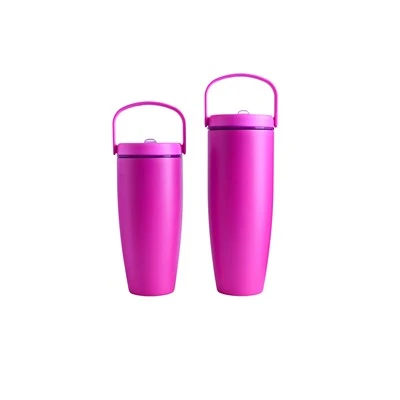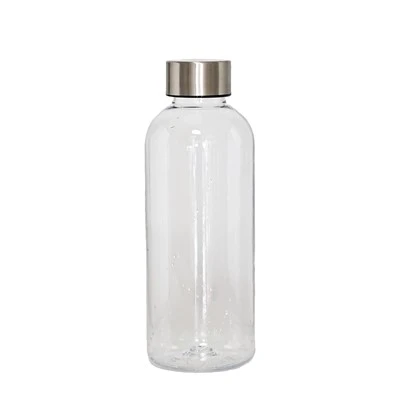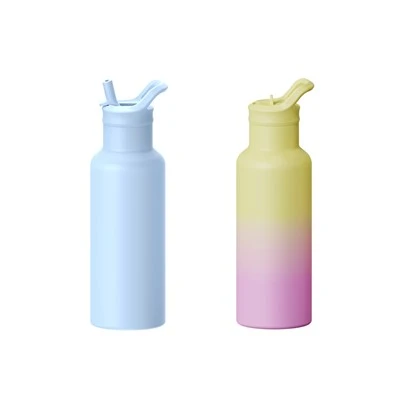


1. PC material
The PC-made plastic water cup is very controversial. Since bisphenol A was found in the PC-made plastic water cup, the popularity of this plastic water cup has become less and less, and even many people have given up using plastic cups. Although phenol A is terrifying, it can only be triggered under high-temperature conditions. If you don't use a PC cup to hold hot water, you don't have to worry about the problem of bisphenol A.
2. PP material
PP is polypropylene with a high melting point of 167°C and is the only plastic that can be put in a microwave oven and can be reused after careful cleaning. The cup made of PP has a good heat resistance and stable chemical properties. In addition to being corroded by concentrated sulfuric acid and concentrated nitric acid, it is relatively stable to other chemical reagents.
At present, bisphenol A is only found in PC material, but not in PP material. Of course, this is not to say how good PP plastic water cups are, because some relevant institutions have detected that PP plastic water cups will The release of bisphenol S at high temperatures is similar to that of bisphenol A, but as long as it is not used at high temperatures, there will be no problem.
3. Tritan material
The safest plastic cup material is Tritan material. It is the formula material for baby products in Europe and the United States. It not only does not contain bisphenol A and bisphenol S but also does not contain any bisphenols. It can be said to be the safest at present. Plastic material.
How to choose plastic cups correctly
1. Look at the material
The first thing to look at when purchasing plastic water cups is the material of the water cup. The material of the water cup determines the quality of the water cup. Generally speaking, the silicone resin is better, followed by polypropylene particles (pp), which are resistant to high temperature and high temperature. The low-temperature resistance is very strong. The temperature resistance range of the former is -40 degrees --- 200 degrees, and the latter is -20 degrees --- 120 degrees.
2. Look at the use
The body of the water cup will be marked with a purpose, so the water cup should be selected for "food use". Try not to buy and use the cup marked for other purposes, otherwise, it will have an adverse effect on health. It is also recommended to buy plastic cups that are not marked for use.
3. Smell
A good plastic water cup, even if it smells new, will not have a very special odor, but some inferior plastic cups can smell the pungent inferior plastic or rubber smell as soon as you get close, indicating that the quality of the cup is very poor, try not to use it. Buy.
4. Look at the production license sign
Before the production of water cups, a special agency needs to issue a license, so the bottle body of the water cup will be marked with the "QS" production license mark, although the mark does not determine the quality of the cup, the water cup with this mark can be considered for purchase. And the color of the logo should be pure, the pattern is clear, and beware of counterfeit and shoddy.
5. Look at the manufacturer
The water cups produced by regular manufacturers will clearly indicate the specific manufacturer, production address, distributor, specific contact information, etc., while the above information of inferior water cups is often ambiguous, or there is no similar information at all.