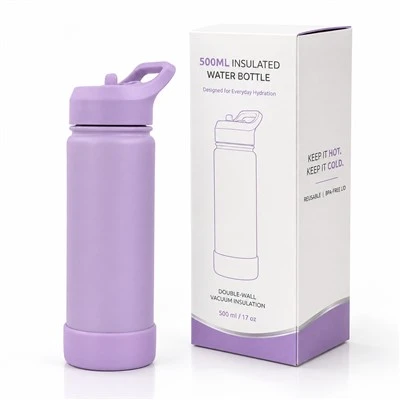
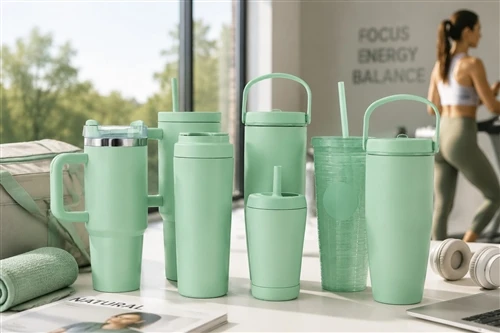
Stainless steel water bottles are widely used in promotional merchandise, outdoor products, corporate gifts, retail drinkware, and private-label collections. For brands, importers, wholesalers, and distributors, selecting a suitable bottle involves more than choosing a capacity or exterior color. Material construction, lid design, insulation performance, leak resistance, cleaning requirements, and manufacturing specifications all affect the final product.
For B2B buyers, these factors also influence product positioning, target-market suitability, quality control, and long-term supply planning. Working with an experienced OEM/ODM manufacturer allows buyers to translate market requirements into specific bottle designs, material combinations, functional components, and branding details.
This guide explains the main technical considerations when sourcing stainless steel water bottles and how MACYS supports customized drinkware development for different sales channels.
Understanding Stainless Steel Water Bottle Construction
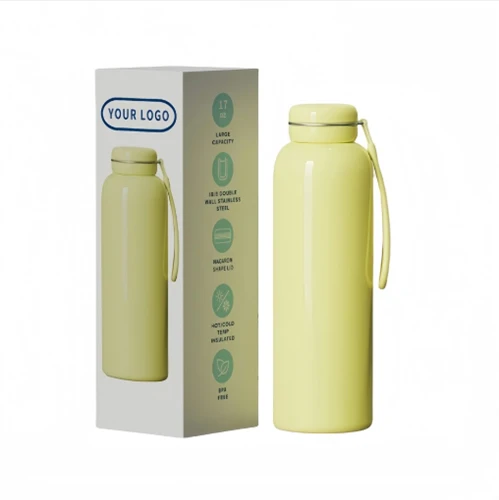
A stainless steel water bottle typically consists of a bottle body, drinking lid, sealing components, and optional accessories such as straws, handles, protective bases, or carrying loops. Each component serves a specific function and should be evaluated as part of the complete product.
The bottle body determines its capacity, shape, wall construction, and surface appearance. The lid controls access to the drinking opening, while silicone seals and closure mechanisms help prevent leakage. Additional components improve portability or provide alternative drinking methods.
Two common constructions are single-wall and double-wall bottles.
Single-wall construction: Uses one metal wall and is generally suitable for products that prioritize simple construction and portability. The exterior can become hot or cold depending on the liquid temperature.
Double-wall construction: Uses inner and outer walls separated by an insulating space. When this space is evacuated to form a vacuum, heat transfer is reduced, supporting temperature retention.
For product developers, the choice between these constructions affects product positioning, manufacturing complexity, weight, and intended use.
Stainless Steel Grades and Material Selection
Stainless steel grade is an important consideration when developing a water bottle for food and beverage contact. Different grades have different compositions, corrosion resistance characteristics, and manufacturing requirements.
304 stainless steel is commonly used in drinkware because it offers a practical combination of corrosion resistance, formability, and suitability for beverage-contact applications when properly manufactured.
Buyers should distinguish between the grade of the bottle's inner wall, outer wall, and other components. A product described as stainless steel does not automatically mean that every component uses the same grade.
When evaluating a supplier, request confirmation of:
Stainless steel grade for the inner and outer walls.
Material specifications for plastic lids, straws, and accessories.
Food-contact compliance documentation for the intended market.
Surface treatment and coating specifications.
Applicable testing reports and inspection requirements.
The complete material combination matters. A stainless steel body may be paired with PP or other plastics, silicone seals, and different lid mechanisms. Material selection should reflect the product's intended application and regulatory requirements.
Lid Designs and Drinking Mechanisms
The lid is one of the most important functional components because it influences drinking convenience, leakage risk, cleaning requirements, and the overall appearance of the bottle.
Straw Lids
Straw lids allow users to drink without substantially tilting the bottle. They are suitable for many commuting, office, fitness, and everyday hydration products.
For B2B buyers, key considerations include straw diameter, removable components, seal placement, and access for cleaning. A straw lid may improve drinking convenience, but its internal passages and connection points must also be easy to maintain.
Spout Lids
Spout lids provide a direct drinking opening. Depending on the opening geometry, they can support controlled sipping or a relatively high drinking flow.
These designs are useful when a simple drinking mechanism is preferred. Buyers should assess the opening size, lid closure, and ease of operation.
Flip-Top Lids
Flip-top lids use a hinged cover to expose or close the drinking opening. Some designs incorporate a locking mechanism to reduce accidental opening during transport.
When sourcing this type of lid, evaluate hinge durability, closure engagement, seal alignment, and one-handed operation where relevant.
Dual-Mode Lids
A dual-mode lid combines a straw and a direct-drinking opening. This gives end users two ways to drink from the same bottle.
For brands targeting multiple use scenarios, a dual-mode design can expand product functionality without requiring two separate bottles. However, the added components can increase cleaning complexity and require more detailed validation.
Vacuum Insulation and Temperature Retention
Double-wall vacuum insulation is commonly used in stainless steel water bottles designed to maintain beverage temperature.
The insulating vacuum reduces heat transfer through the space between the inner and outer walls. The resulting performance depends on more than the presence of a vacuum structure. Bottle geometry, lid construction, sealing interfaces, initial liquid temperature, ambient conditions, and usage patterns can all affect temperature retention.
When comparing suppliers, avoid relying exclusively on general claims such as "long-lasting insulation."
Instead, request performance data with clearly defined test conditions, including:
Initial beverage or test-water temperature.
Ambient temperature.
Test duration and measurement intervals.
Whether the bottle is open or closed during testing.
The final temperature and measurement method.
For example, a buyer developing a cold-drink bottle for outdoor retail should compare products tested under equivalent conditions. This provides a more useful basis for supplier evaluation than comparing unsupported hour-based claims.
MACYS can work with buyers to define product specifications for customized drinkware. Specific insulation targets should be confirmed against the selected design and validated through appropriate product testing.
Leak Resistance and Structural Reliability
Leak resistance depends on the complete lid assembly rather than the bottle body alone.
Typical components include a threaded or fitted lid, silicone sealing rings, a drinking opening, and, where applicable, a locking mechanism. Poor alignment, damaged seals, incomplete closure, or wear around moving parts may affect leakage performance.
A double-locking lid can reduce the risk of accidental opening, but the number of locks alone does not prove that a bottle is leakproof.
B2B buyers should define a product-specific verification process. Relevant checks may include:
Confirming that the lid and sealing components are correctly assembled.
Closing the bottle according to the manufacturer's instructions.
Testing the product in specified orientations.
Inspecting the lid, drinking opening, and seal interfaces for leakage.
Repeating tests after relevant handling or durability cycles where required.
The test procedure should reflect the product's intended use and the buyer's quality requirements.
For OEM projects, these requirements should be discussed before mass production so that the lid structure, seal design, and inspection criteria can be aligned with the target market.
Bottle Opening, Cleaning, and Daily Maintenance
Bottle opening geometry affects filling, ice addition, drinking, and internal cleaning.
Wide-mouth bottles provide easier access for adding ice and inserting a bottle brush. They may also simplify cleaning the inner wall and bottom.
Narrow-mouth bottles can offer a more compact drinking opening and may be suitable for products designed around controlled pouring or direct drinking. However, the smaller opening can make internal cleaning more difficult.
Cleaning requirements also depend on the lid. Straw lids, hinged covers, and multi-component closures may contain areas where moisture or beverage residue can accumulate.
When selecting a bottle for a retail or corporate program, buyers should verify:
Whether the straw and lid components can be removed.
Whether the bottle opening accommodates commonly available cleaning brushes.
Which components are dishwasher-safe, if applicable.
Whether seals require separate cleaning or replacement.
The manufacturer's recommended cleaning instructions.
Dishwasher compatibility should never be assumed for the complete product simply because one component is dishwasher-safe. Material, coatings, seals, and lid mechanisms may have different care requirements.
Portability, Dimensions, and Cup Holder Compatibility
Bottle capacity alone does not determine portability. Height, maximum body diameter, base diameter, handle position, and overall weight all affect how a bottle fits into daily routines.
A tapered base can improve compatibility with selected vehicle cup holders. However, buyers should confirm the actual base diameter and test compatibility against their intended reference dimensions rather than relying on a general fit claim.
Handles also influence product usability. Integrated loops, folding handles, and flexible silicone handles offer different combinations of grip, carrying convenience, and storage requirements.
For customized drinkware, dimensional specifications should include:
Nominal capacity and usable capacity where relevant.
Overall height and maximum body diameter.
Base diameter.
Empty product weight.
Handle dimensions and clearance.
Packaging dimensions for shipping and retail display.
These measurements are useful not only for product design but also for packaging development, logistics planning, and online product listings.
How to Customize Stainless Steel Water Bottles
OEM and ODM customization allows B2B buyers to develop products around their own branding, specifications, and sales-channel requirements.
The most effective approach is to define customization at the component level rather than treating it as a logo-printing service alone.
Bottle Structure and Capacity
Buyers can establish the required capacity, body proportions, wall construction, and overall product dimensions. These decisions should reflect the intended customer, usage scenario, and target price positioning.
Lid and Accessory Configuration
Depending on the selected product platform and manufacturing feasibility, buyers can evaluate straw lids, spout lids, flip-top closures, handles, and other functional components.
A useful specification should explain how the bottle will be used and which functions are essential. This helps prevent unnecessary components from increasing product complexity.
Color, Surface Finish, and Branding
Exterior appearance is an important part of private-label drinkware development. Customization may involve color selection, surface finishes, logo application, and coordinated packaging.
Buyers should provide brand guidelines, reference colors, artwork files, and preferred logo placement. Color samples and pre-production samples can then be reviewed against the approved specifications.
Packaging and Private-Label Requirements
Packaging can be developed around the target sales channel, whether the product is intended for retail shelves, corporate gifting, promotional distribution, or e-commerce.
Relevant decisions include individual packaging, product labels, barcode placement, carton configuration, and branding requirements.
MACYS works with B2B customers on OEM/ODM drinkware projects, including product specifications, branding, and packaging coordination. The available options depend on the selected product structure, tooling requirements, order quantity, and project feasibility.
Quality Control and Manufacturing Considerations
A complete sourcing evaluation should cover the product's materials, dimensions, functional performance, appearance, and packaging.
Before confirming an order, buyers should establish a written specification sheet covering the approved material grades, product dimensions, weight tolerances, lid configuration, color references, branding placement, and applicable compliance requirements.
A practical production workflow can include:
Requirement confirmation: Define target users, capacity, materials, functional features, and commercial requirements.
Design and specification review: Confirm dimensions, component compatibility, appearance, and manufacturing feasibility.
Sampling: Evaluate the physical sample and verify the main functional requirements.
Pre-production approval: Confirm the approved sample, packaging, artwork, and inspection criteria.
Mass production and inspection: Check product conformity against the agreed specifications.
Packaging and shipment preparation: Verify product quantities, labeling, carton details, and shipping documentation.
Buyers should also confirm which certificates and test reports apply to the actual product and destination market. A supplier's general certification does not automatically demonstrate that every product meets every market-specific requirement.
Why Work with MACYS for Custom Drinkware?
MACYS supports B2B buyers seeking drinkware for private-label brands, retail programs, wholesale distribution, promotional campaigns, and corporate gifting.
Rather than treating every project as a standard-stock purchase, the development process can start with the buyer's intended application and translate it into product-level requirements.
MACYS' drinkware offering covers stainless steel and other material categories, including PP, AS, and Tritan products. This provides buyers with options when developing product collections for different price points and usage scenarios.
For customized projects, key discussion areas include:
Product specification: Capacity, dimensions, materials, weight, and functional requirements.
Lid configuration: Suitable drinking mechanisms, closure design, and accessory combinations.
Brand identity: Color references, logo placement, and exterior presentation.
Packaging development: Private-label packaging and product presentation requirements.
Quality and compliance: Applicable inspection standards, product testing, and documentation.
Order planning: MOQ, sampling, production feasibility, and delivery requirements.
MACYS has experience with OEM/ODM drinkware development and supports customers in coordinating product and branding requirements. The exact customization scope, tooling availability, minimum order quantity, and production schedule should be confirmed for each project.
For buyers building a long-term drinkware range, this specification-led approach helps align product design, branding, and manufacturing expectations before production begins.
Frequently Asked Questions
What is the difference between single-wall and double-wall stainless steel water bottles?
Single-wall bottles use one metal wall and generally provide simpler construction. Double-wall bottles have inner and outer walls, and vacuum-insulated versions reduce heat transfer to improve temperature retention.
Which lid is best for a stainless steel water bottle?
The best lid depends on the intended use. Straw lids support convenient sipping, spout lids provide direct drinking access, and flip-top lids offer a covered drinking opening. Dual-mode lids combine multiple drinking methods but may require more involved cleaning.
How can buyers verify whether a water bottle is leakproof?
Buyers should request a defined leak-testing procedure, confirm the closure and seal design, and evaluate the product in specified orientations. Leakage performance should be verified on the actual product rather than inferred from the lid design alone.
Can MACYS customize stainless steel water bottles for private-label brands?
MACYS supports OEM/ODM drinkware projects involving product specifications, branding, and packaging. Available options depend on the selected product platform, tooling, order quantity, and project requirements.
What information should buyers provide when requesting a quotation?
A useful RFQ includes target capacity, reference images, preferred materials, lid type, dimensions, estimated order quantity, logo requirements, packaging specifications, destination market, and required compliance documentation. The more clearly these requirements are defined, the easier it is to evaluate feasibility and prepare a comparable quotation.
Develop Your Custom Drinkware Project with MACYS
Choosing a stainless steel water bottle requires balancing material selection, insulation performance, lid functionality, cleaning requirements, portability, and branding. For B2B buyers, these factors should be converted into clear specifications that can be sampled, evaluated, and verified during production.
MACYS works with brands, importers, wholesalers, distributors, and promotional buyers to coordinate customized drinkware requirements, from product configuration to branding and packaging.
Ready to develop your own stainless steel water bottle range?
Share your target capacity, preferred lid design, material requirements, reference samples, logo artwork, and estimated order quantity with MACYS to discuss a suitable OEM/ODM solution.