Designing a Kids Stainless Steel Water Bottle
The first step is to define how the bottle will be used. School bottles may require a compact body, carrying handle and easy-access straw. Sports products may need a larger capacity and faster drinking flow, while travel bottles may prioritize insulation and portability.
Capacity, bottle height, diameter, mouth opening and overall weight should therefore be considered together rather than selected independently.
Stainless Steel Material and Bottle Construction
Material selection directly affects product structure and manufacturing cost. Food-contact stainless steel options such as 304 or 18/8 stainless steel can be considered according to the target product and market requirements.
For insulated models, a double-wall construction creates an internal space for vacuum insulation. The bottle can then be developed around the required thermal performance, weight and external dimensions.
Other components also require material specifications. Lid bodies, straws, handles and silicone sealing parts should be defined separately during product development.
Straw Lid, Handle and Leak-Resistant Design
For children, the drinking system is one of the most important parts of the product.
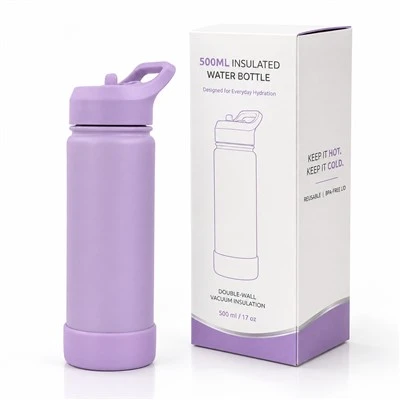
A Kids Stainless Steel Water Bottle with a straw can incorporate a flip mechanism, drinking opening, silicone seal, removable straw and carrying handle. The connection between these components affects both usability and leakage performance.
During development, manufacturers should evaluate lid fitting, sealing-ring placement, straw connection and opening force. For reusable products, the straw and sealing components should also be designed for practical cleaning and maintenance.
Vacuum Insulation and Capacity Selection
A vacuum-insulated bottle uses inner and outer metal walls with a reduced-pressure space between them to limit heat transfer. This structure is commonly used when buyers require cold or hot beverage retention.
Capacity should match the intended application. Smaller bottles can suit school and short-duration daily use, while larger configurations can be developed for sports, outdoor activities and longer periods between refills.
For OEM projects, thermal-performance claims should be associated with defined test conditions rather than presented as a single universal number.
Surface Finishing and Private Label Customization
For private-label brands, customization can extend from the bottle structure to the final retail appearance.
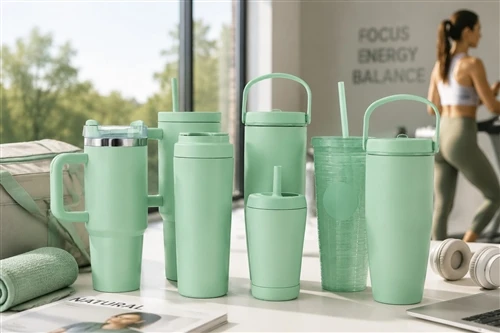
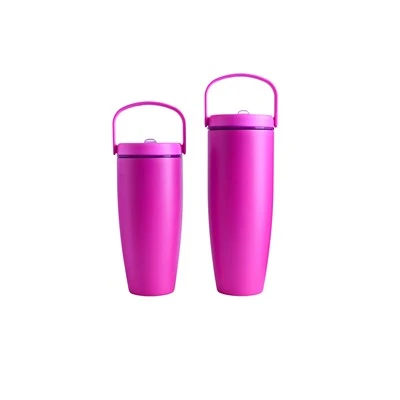
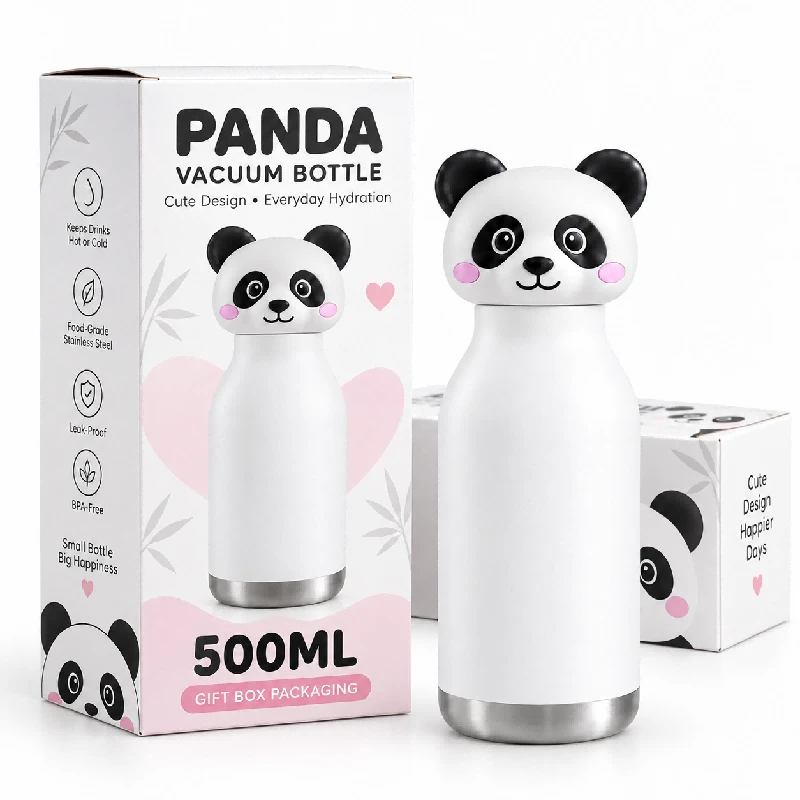
MACYS can develop specifications around bottle colors, surface finishing, logo placement and packaging requirements. Possible decoration methods may include screen printing, laser engraving, UV printing and other processes selected according to the material and artwork.
The same principle applies to the lid and handle. Color matching and component consistency should be confirmed during sample approval before bulk manufacturing begins.
Quality Control Before Bulk Production
Quality control for children's drinkware should cover both individual components and the assembled product.
During production, key inspection points can include stainless steel material, bottle dimensions, lid fitting, straw assembly, sealing components, surface finish and logo position. Finished products can then be checked for leakage, appearance consistency and packaging accuracy.
For export orders, buyers should also identify applicable food-contact and market-specific documentation before production. This allows the manufacturer to prepare the required materials and testing records at the correct stage.
OEM & ODM Manufacturing with MACYS
A successful OEM/ODM project starts with a clear product brief. Buyers can provide the target capacity, material, bottle dimensions, lid type, straw requirements, colors, logo artwork, packaging specifications, order quantity and destination market.
Hangzhou MACYS Houseware Co., Ltd. uses these specifications to develop customized drinkware for brands, wholesalers and distributors. From bottle structure and lid configuration to surface treatment and packaging, each element can be reviewed during sample development before moving into bulk production.
For buyers sourcing a Kids Stainless Steel Water Bottle Manufacturer, the objective is not simply to find a supplier offering a low unit price. The more important step is to establish a controlled process from product definition and material selection to sample approval, quality inspection and final delivery.
A structured OEM/ODM process gives brands a clearer reference for product development and helps maintain consistency when the approved design moves from prototype to mass production.