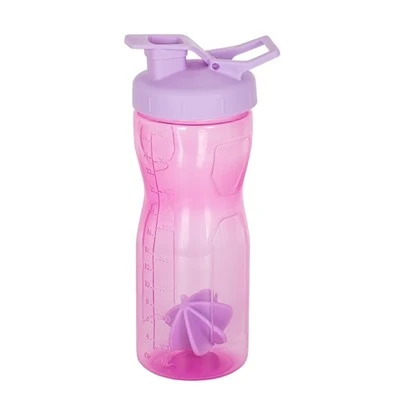
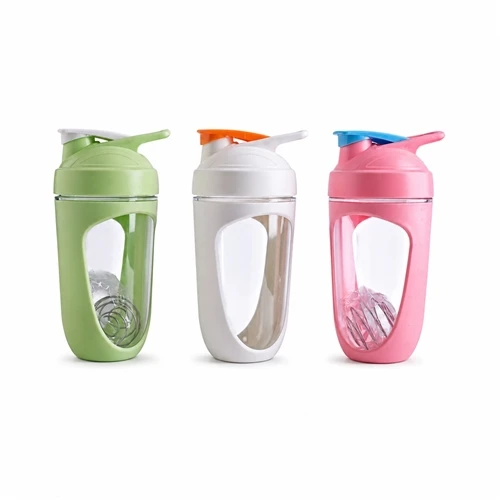
A leak-proof shaker bottle is an essential product for fitness brands, sports nutrition retailers, wholesalers, and private-label businesses. However, choosing the right shaker bottle involves more than checking whether the lid closes tightly. Material selection, sealing structure, mixing performance, bottle capacity, and cleaning requirements all influence the product's suitability for everyday use.
For B2B buyers, these factors also affect product reviews, return rates, and long-term brand reputation. Understanding how to evaluate each component helps buyers select a shaker bottle that meets their target market's expectations and product requirements.
As a professional shaker bottle manufacturer, MACYS supports OEM and ODM projects for brands, distributors, wholesalers, and promotional product buyers. From bottle materials and lid structures to custom colors, logo printing, and retail packaging, our manufacturing services help buyers develop shaker bottles for different market segments.

What Makes a Shaker Bottle Leak-Proof?
A leak-resistant shaker bottle uses a combination of components to prevent liquid from escaping during mixing, carrying, and storage. The main components include the bottle body, lid threads, drinking spout, flip-top closure, and sealing elements.
A tight-fitting lid alone does not guarantee leak resistance. If the lid is cross-threaded, the flip cap is not fully closed, or a sealing ring is incorrectly positioned, liquid may escape when the bottle is shaken or placed inside a gym bag.
When evaluating a protein shaker bottle, buyers should pay attention to three areas:
Lid-to-bottle connection: The threads or locking mechanism should engage correctly without excessive looseness.
Drinking spout closure: The flip-top lid should close securely and remain closed during normal handling.
Sealing interface: Any gasket or sealing ring should fit its designated groove and remain properly positioned after repeated cleaning.
These features work together to reduce leakage risks. For bulk purchasing, buyers should request samples and verify the complete assembled product rather than evaluating the lid and bottle body separately.
Choose the Right Bottle Material
Material selection affects bottle weight, transparency, durability, cost, and cleaning requirements. The right choice depends on the target market, intended beverage, and retail positioning.
PP Shaker Bottles
Polypropylene (PP) is widely used in reusable plastic drinkware because it is relatively lightweight and suitable for many everyday applications. It is a practical option for sports nutrition brands and promotional product buyers seeking reusable shaker bottles for protein drinks, powdered supplements, and other compatible beverages.
When sourcing PP shaker bottles, buyers should verify the specific material grade, food-contact compliance documentation, and applicable temperature limitations.
Tritan Shaker Bottles
Tritan is often selected when buyers want a transparent bottle body that allows users to see the contents and remaining liquid level. Its appearance can suit premium fitness and lifestyle product lines.
Buyers should confirm the exact resin grade, relevant food-contact documentation, and manufacturer instructions for cleaning and temperature exposure.
Stainless Steel Shaker Bottles
Stainless steel shaker bottles provide an alternative for brands targeting a more substantial, metal-bodied product. Double-wall vacuum-insulated models can also support hot or cold beverage applications when designed and tested for those conditions.
However, steel construction generally changes the product's weight, price, and manufacturing requirements. Buyers should assess whether insulation is necessary for their customers before selecting this option.
For brands prioritizing lightweight construction and bulk-order practicality, PP remains a useful material to evaluate alongside other options.
Check the Lid and Sealing Structure
The lid is one of the most important components when choosing a leak-proof shaker bottle. A well-designed bottle should allow users to close the drinking opening securely while keeping the bottle convenient to open and clean.
Screw-On Lids
A screw-on lid relies on correctly matched threads between the lid and bottle neck. Buyers should inspect thread engagement, closure alignment, and the force required to tighten and remove the lid.
Poor alignment can prevent the lid from seating evenly. Powder residue around the threads may also interfere with proper closure.
Flip-Top Lids
A flip-top lid allows users to access the drinking opening without removing the entire lid. It is particularly useful for gym sessions, commuting, and everyday hydration.
When checking this design, inspect the hinge, locking tab, closure fit, and ease of operation. The cap should close completely without requiring awkward handling.
Sealing Rings and Gaskets
Some shaker bottles use silicone or other suitable sealing components to improve the seal between connected parts. These components should fit correctly and resist displacement during ordinary use.
Buyers should also consider whether the gasket can be removed for cleaning and reinstalled without twisting or stretching. The sealing design should balance leak resistance with straightforward maintenance.
Select the Right Mixing System
A shaker bottle must do more than contain liquid. Its internal mixing structure should help distribute powder through the liquid while remaining easy to clean.
Wire Mixing Balls
A stainless steel mixing ball moves through the liquid when the bottle is shaken. Its movement helps break up powder clumps and improve dispersion.
This design is removable and can be cleaned separately. However, buyers should consider the noise created during shaking, the possibility of residue around the wire structure, and whether the metal component suits the product's intended positioning.
Plastic Mixing Grids
A plastic mixing grid uses a shaped insert to influence liquid movement during shaking. Depending on its geometry, it can help distribute powder without a loose metal ball.
For manufacturers and private-label buyers, a plastic mixing grid can also be evaluated as part of a coordinated bottle and lid design. Important considerations include secure positioning, cleaning access, material compatibility, and performance with the intended powder.
Match the Mixer to the Beverage
Different powders behave differently. Whey protein, plant-based protein, meal replacement powders, and thicker nutritional blends may require different mixing conditions.
Buyers should compare candidate designs using the same powder quantity, liquid volume, and shaking procedure. Check for visible clumps, residue at the bottom, and powder trapped around the lid or mixing component.
Match Bottle Capacity to User Needs
Bottle capacity influences how much liquid users can prepare, how easily the bottle fits into a bag, and how much room remains for mixing.
Typical capacities include:
350–500 ml: Suitable for smaller drinks, compact fitness products, and users who prioritize portability.
500–700 ml: A practical range for many everyday protein shakes and sports nutrition applications.
700–1,000 ml: Appropriate for larger servings or users who prefer a higher-capacity bottle.
These ranges are purchasing references rather than fixed industry standards.
Buyers should distinguish between the bottle's total capacity and its recommended filling volume. A bottle filled to the brim leaves little room for liquid movement and may increase the chance of spills when the lid is opened.
Graduated markings in milliliters (ml) and fluid ounces (oz) can help users measure liquid consistently. Before placing a bulk order, verify the marking range, legibility, and consistency across production samples.
Evaluate Cleaning and Daily Maintenance
Protein residue can accumulate around the lid threads, drinking spout, mixing insert, and sealing grooves. If these areas are difficult to reach, cleaning becomes more time-consuming and odors may develop.
A wide-mouth opening makes it easier to add powder and liquid, inspect the bottle interior, and reach the bottom with a cleaning brush. Removable mixing components can also simplify washing.
For everyday maintenance, users should rinse the bottle promptly after use, clean the body and lid separately where appropriate, and allow all components to dry thoroughly before reassembly.
Dishwasher compatibility should be verified for each component rather than assumed for the complete product. Temperature limits and cleaning instructions depend on the materials and construction used.
For B2B buyers, cleaning access is worth assessing during sample approval. A design that is easy to wash and reassemble can improve the everyday user experience without adding unnecessary accessories.
How to Test a Shaker Bottle for Leaks
A simple water test can help identify obvious sealing problems before a bulk order is approved. However, a basic test does not establish performance under every possible use condition.
A practical preliminary inspection can follow these steps:
Fill the bottle with a measured quantity of water, leaving sufficient headspace.
Install the lid according to the manufacturer's instructions.
Check that the screw threads are correctly engaged and the flip cap is fully closed.
In a sink, invert the bottle and shake it for approximately 10 seconds.
Inspect the lid connection, drinking opening, and other joints for visible water leakage.
Place the bottle horizontally on a dry paper towel and inspect it for moisture after a defined observation period.
For formal supplier evaluation, buyers should establish consistent test conditions, including fill volume, closure procedure, shaking duration, observation time, sample quantity, and pass/fail criteria.
Additional checks may include repeated lid-opening cycles, sealing-component inspection, and testing after routine cleaning. Any performance claim should be supported by results from the actual product configuration.
What B2B Buyers Should Consider Before Ordering
Retail buyers and importers should evaluate more than the sample's appearance. The product specification, manufacturing consistency, customization options, and documentation all influence the suitability of a shaker bottle for commercial distribution.
Before confirming an order, consider the following:
Material documentation: Request relevant food-contact compliance documents for the specified materials and target market.
Sample approval: Confirm the bottle dimensions, capacity, lid fit, mixing structure, markings, and appearance.
Leak testing: Agree on the test method and acceptance criteria before mass production.
Customization requirements: Specify colors, logos, printing positions, packaging, and accessory combinations.
Quality control: Confirm how incoming materials, production components, finished products, and packaging will be inspected.
Order quantities and lead times: Establish the MOQ, sampling schedule, production lead time, and shipping arrangements with the manufacturer.
These checks help turn a general product concept into a defined purchasing specification.
How MACYS Supports Custom Shaker Bottle Manufacturing
Hangzhou MACYS Houseware Co., Ltd. manufactures drinkware for brands, wholesalers, distributors, retailers, and promotional product businesses. Our shaker bottle OEM and ODM services support buyers who need to develop a product around specific market requirements rather than rely exclusively on standard designs.
Start Your Custom Shaker Bottle Project
Product Design and Component Customization
Customization can cover bottle capacity, body shape, lid design, mixing components, color, and selected product details. Buyers can discuss their target user group and intended application with our team to establish a suitable specification.
For example, a fitness nutrition brand may prioritize a lightweight PP bottle with a flip-top lid, measurement markings, and a plastic mixing grid. A promotional buyer may place greater emphasis on corporate colors, logo visibility, and individual packaging.
Material, Color, and Logo Options
Our customization services support material selection, Pantone color matching, logo printing, and packaging development, subject to the selected design and production requirements.
Before mass production, buyers can review samples to confirm the appearance, component fit, and specified functions. This process helps identify adjustments before the order moves into production.
Bulk Production and Quality Control
MACYS supports bulk shaker bottle orders with a stated minimum order quantity starting at 1,000 pieces, depending on the selected material, color, printing method, and packaging configuration.
Our manufacturing capabilities include injection molding, blow molding, and mold development. Production and quality-control arrangements can be discussed according to the project specification and order requirements.
For applicable projects, documentation and audit support related to FDA food-contact requirements, LFGB, BSCI, and ISO 9001 can be discussed. The specific documents and their scope should be confirmed for the product and target market.
From initial product requirements to sample approval and bulk production, MACYS works with B2B buyers to coordinate product details, branding, and packaging for their intended sales channels.
Frequently Asked Questions
What is the most important feature of a leak-proof shaker bottle?
The lid and sealing system are key areas to inspect. Correct thread engagement, a securely closed flip cap, and properly fitted sealing components all contribute to leak resistance. The assembled bottle should be tested under defined conditions.
Which material is suitable for a protein shaker bottle?
PP is a practical option for lightweight reusable shaker bottles. Tritan may suit buyers who prefer a transparent body, while stainless steel is an alternative for metal-bodied products and certain insulated designs. The final choice depends on cost, intended use, material documentation, and target-market requirements.
Is a mixing ball better than a plastic mixing grid?
Neither design is universally better. Performance depends on the powder, liquid volume, insert geometry, and shaking conditions. Buyers should compare both options using representative formulations and consistent testing procedures.
Can MACYS manufacture custom shaker bottles with private labeling?
Yes. MACYS supports OEM and ODM projects involving product details, colors, Pantone matching, logo printing, and packaging. The available options, MOQ, and development requirements depend on the selected design.
What is the MOQ for custom shaker bottles at MACYS?
The stated starting MOQ is 1,000 pieces, subject to material, color, printing, packaging, and other customization requirements. Buyers should confirm the final MOQ with the team for their specific project.
How can buyers verify shaker bottle quality before mass production?
Request production-representative samples, review the material and product specifications, inspect the lid and sealing structure, and agree on leak-testing and appearance criteria. Confirming these requirements before bulk production helps reduce avoidable specification differences.
Develop Your Custom Shaker Bottle with MACYS
Choosing a leak-proof shaker bottle requires attention to material selection, sealing structure, mixing performance, capacity, and cleaning access. For commercial buyers, these product details should be combined with clear specifications, sample evaluation, and defined quality-control requirements.
MACYS supports custom shaker bottle manufacturing for brands, wholesalers, distributors, and promotional product buyers. Whether you need a standard PP shaker bottle with your logo or a customized design with specific colors, lid features, and packaging, our team can discuss the requirements of your project.