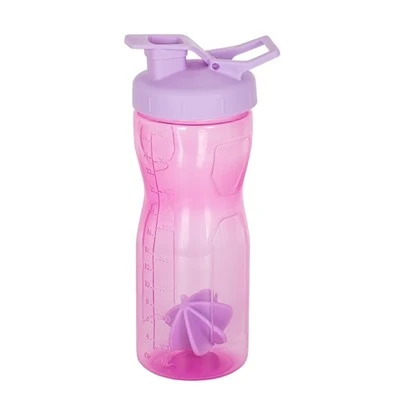
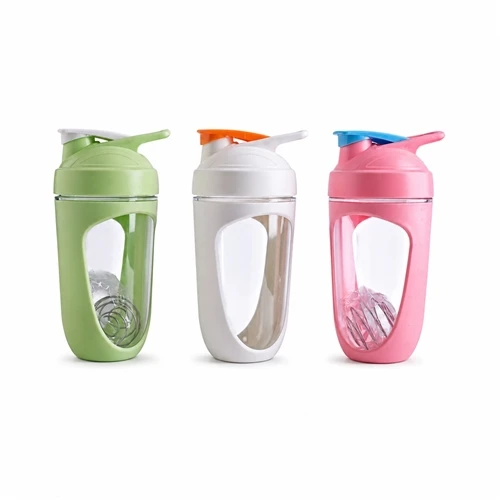
A protein shaker bottle is used for mixing protein powder, meal replacement drinks, and other powdered supplements. After repeated use, protein residue can collect on the bottle walls, under the lid, around the sealing ring, and inside the mixing accessory. If these areas remain damp or are not cleaned thoroughly, unpleasant odors can develop.
Knowing how to clean a protein shaker bottle properly helps users maintain the bottle's condition and reduce persistent smells. For fitness brands, retailers, wholesalers, and private-label buyers, cleaning convenience is also an important product consideration. Bottle openings, lid structures, removable seals, and mixing components all affect how easily a shaker can be washed after daily use.
At MACYS, we support wholesale shaker bottle customization, including bottle colors, logos, and packaging. Understanding cleaning requirements can help buyers select and develop shaker bottle products that are practical for regular use.

Why Does a Protein Shaker Bottle Smell?
A shaker bottle can develop an unpleasant smell even when the bottle looks clean. The cause is often leftover drink residue in areas that are difficult to reach during a quick rinse.
Protein and drink residue
Protein powder mixed with water, milk, or plant-based milk can leave a thin film on the bottle's inner surface. Small amounts of liquid may also remain around the lid threads, drinking spout, mixing ball, or grid. When the residue dries, it becomes harder to remove with a simple rinse.
Warm and damp storage
Leaving a used shaker in a gym bag, locker, or warm car allows residue to remain in a closed environment. Moisture and leftover drink ingredients can contribute to odor development, especially when the bottle is not cleaned promptly.
Residue under the lid seal
The sealing ring helps prevent leakage, but the groove beneath it can collect liquid and powder. If the seal is not removable or the groove is difficult to access, residue may remain even after the bottle body has been washed.
Material and surface condition
Some plastic surfaces can retain odors, particularly when the bottle develops scratches or has been exposed to unsuitable cleaning conditions. Stainless steel may be less prone to absorbing odors, but the lid, gasket, and other components can still retain residue.
The key is to clean every component that contacts the drink rather than focusing only on the inside of the bottle.
How to Clean a Protein Shaker Bottle After Every Use
Routine cleaning is the first step in preventing persistent odors. Washing the bottle soon after use is generally easier than removing dried protein residue later.
Step 1: Empty the bottle and rinse it
Pour out any remaining drink as soon as possible. Rinse the bottle with warm water to loosen leftover protein powder and liquid residue.
If you cannot wash the bottle immediately after exercising, rinsing it with water is a useful temporary step. It does not replace a full wash, but it helps prevent residue from drying onto the surface.
Step 2: Disassemble the removable components
Remove the lid, mixing ball or grid, and other detachable accessories according to the manufacturer's instructions. If the sealing ring is designed to be removable, take it out carefully so you can clean the groove underneath.
Do not force out a component that is not intended to be removed, as this could damage the lid or sealing structure.
Step 3: Wash with warm water and dish soap
Add warm water and a small amount of dishwashing liquid. Use a bottle brush to clean the inner wall, bottom corners, and other areas that a sponge cannot reach easily.
Wash the lid separately. Pay particular attention to the drinking opening, screw threads, flip-cap joints, and gasket groove.
Step 4: Clean the mixing accessory
A stainless steel blender ball should be washed separately so that residue does not remain between its wires. For a mixing grid, clean around the openings and contact surfaces.
If the accessory has narrow gaps, use a small brush that can reach them without damaging the component.
Step 5: Rinse thoroughly
Rinse every component with clean water until the soap residue is removed. Leftover detergent can affect the taste or smell of the next drink.
Step 6: Air-dry all parts separately
Place the bottle upside down on a clean drying rack and leave the lid, seal, and mixing accessory separate. Allow every part to dry completely before reassembling the bottle.
Avoid closing a damp shaker and placing it directly into a gym bag. Trapped moisture can allow odors to return even after washing.
How to Remove Odors from a Protein Shaker Bottle
If regular washing does not remove the smell, a more thorough cleaning routine may help. First, remove visible residue with dish soap and a brush. Then use one suitable odor-removal method.
Method 1: Baking soda and water
Baking soda can help neutralize some unpleasant odors.
Add warm water to the bottle.
Dissolve approximately one to two tablespoons of baking soda, adjusting for the bottle's size.
If the product instructions allow it, soak the removable lid components and seal separately in the solution.
Leave the solution for several hours or overnight if appropriate for the material.
Wash the bottle and components again with dish soap.
Rinse thoroughly and allow everything to dry completely.
For localized residue, a paste made from baking soda and a small amount of water can be applied to the affected area and gently scrubbed. Avoid abrasive scrubbing that may scratch plastic surfaces.
Method 2: Diluted white vinegar
Diluted white vinegar is another option for treating lingering odors.
Mix equal parts white vinegar and water.
Apply the solution to compatible bottle components.
Allow it to soak for around 15–30 minutes initially.
Wash with dish soap and rinse thoroughly.
Dry every component separately before reassembly.
Check the manufacturer's care instructions before using vinegar, especially on specialized finishes, seals, or components with specific cleaning restrictions.
Important: Never mix vinegar with bleach or other cleaning chemicals. Do not seal a container tightly while a cleaning reaction may produce gas.
Method 3: Use a suitable cleaning product
Some manufacturers offer cleaning tablets or solutions designed for reusable bottles. If using one, follow the product's dilution, contact-time, rinsing, and material-compatibility instructions.
Do not assume that a product intended for general household cleaning is suitable for a bottle that contacts beverages.
When should you replace the bottle?
If a strong smell remains after two thorough cleaning cycles, inspect the bottle for deep scratches, cracks, damaged seals, or residue that cannot be reached. A worn sealing ring may need replacing if compatible replacement parts are available.
If mold or contamination cannot be removed completely, or the bottle is structurally damaged, replacing the affected component or the entire bottle may be the more practical choice.
How to Clean the Lid, Seal, and Mixing Components
The bottle body is only one part of the cleaning process. Several smaller components can retain residue.
Screw-on lids and flip caps
Clean the threads, hinge, drinking opening, and underside of the cap. If the lid contains several moving parts, check whether the manufacturer permits disassembly for washing.
Silicone sealing rings
A gasket can trap liquid beneath its surface. Remove it only if the design allows removal, then clean both the ring and its seating groove.
Inspect the seal for deformation, cracks, persistent odor, or loss of elasticity. A damaged seal may affect both hygiene and leak resistance.
Blender balls and mixing grids
For a blender ball, clean between the wires and check for corrosion or surface damage. For a mixing grid, pay attention to small openings where powder can accumulate.
The accessory should be fully dry before storage. Follow the manufacturer's material and maintenance instructions for both metal and plastic components.
Common Shaker Bottle Cleaning Mistakes
Avoid these common mistakes when cleaning a protein shaker.
Leaving the drink inside for hours: Warm conditions and leftover protein residue can accelerate odor development.
Washing only the bottle body: The lid, gasket, and mixing accessory may still contain residue.
Closing the bottle while damp: Trapped moisture can contribute to recurring smells.
Using boiling water without checking compatibility: Some plastics and sealing rings can deform under excessive heat.
Assuming every shaker is dishwasher-safe: Dishwasher suitability depends on the exact bottle, lid, seal, finish, and accessory design.
Using harsh or abrasive cleaning tools: Scratches can make some plastic surfaces more difficult to keep clean.
Masking the smell instead of removing residue: Fragranced products do not replace proper washing and rinsing.
A simple routine-rinse promptly, disassemble removable parts, wash thoroughly, and dry completely-can reduce the need for repeated deep cleaning.
How Often Should You Clean a Protein Shaker?
The cleaning frequency depends on how the bottle is used and what it contains.
After every use: Empty and rinse the bottle, then wash it with dish soap and clean water. Pay attention to the lid and mixing components.
After a drink has been left inside: Clean the bottle thoroughly as soon as possible rather than leaving the residue until the next day.
For recurring odors: Disassemble the bottle as permitted, clean the hidden areas, and use a compatible deodorizing method if needed.
Before long-term storage: Wash, rinse, and dry all components completely. Store the bottle with the lid off or the components separated, where practical.
For daily users, having two shaker bottles in rotation can make it easier to use a completely dry bottle while the other one is being cleaned.
What Makes a Shaker Bottle Easier to Clean?
Cleaning convenience is influenced by product design, not just user habits. Buyers evaluating shaker bottles should consider the following features.
Wide bottle opening
A wide opening provides better access for a bottle brush and makes it easier to add powder, water, and cleaning solutions. It also simplifies visual inspection of the interior.
Accessible lid structure
Lids with accessible threads, drinking openings, and removable components can be easier to clean. Fewer difficult-to-reach gaps may reduce the chance of residue being overlooked.
Removable sealing ring
A removable gasket can allow users to clean the groove beneath it. The ring should be easy to remove and reinstall without stretching, tearing, or becoming improperly seated.
Easy-to-clean mixing accessory
A blender ball should allow access between its wires, while a mixing grid should have openings that can be cleaned with suitable brushes. The choice should consider both mixing performance and maintenance.
Suitable bottle material
PP, Tritan, and stainless steel are common material options in drinkware. Their weight, appearance, surface characteristics, heat limitations, and cleaning requirements differ. Buyers should confirm the specific material grade and manufacturer care instructions rather than assuming all products made from the same broad material category have identical properties.
For brands developing a new shaker bottle, cleaning should be part of sample evaluation alongside capacity, leakage, mixing performance, and user handling.
Custom Shaker Bottles for Wholesale Buyers
For fitness brands, supplement companies, promotional product distributors, and retailers, a shaker bottle is both a functional product and a branded accessory. Cleaning convenience can influence customer satisfaction and the way users perceive the product after repeated use.
MACYS supports B2B shaker bottle customization, including body colors, logo application, and packaging. Depending on the selected model and project requirements, buyers can discuss product specifications and presentation details for their own product range.
When preparing a custom shaker bottle project, consider these points:
Bottle body: Confirm the material, capacity, dimensions, color, and surface finish.
Lid and seal: Review the opening structure, sealing-ring position, and access for cleaning.
Mixing accessory: Specify a blender ball or mixing grid where the selected model supports the configuration.
Branding: Confirm the logo artwork, placement, and decoration method.
Packaging: Select packaging suitable for retail display, e-commerce fulfillment, or bulk distribution.
MACYS offers OEM/ODM customization for B2B buyers. The stated general MOQ is 1,000 units, subject to confirmation for the chosen model and customization requirements.
For procurement teams, sample testing is a practical way to assess whether the selected design is easy to clean after repeated use. Test the bottle body, lid, seal, and agitator together instead of evaluating each component in isolation.
Frequently Asked Questions
How do I clean a protein shaker bottle that smells bad?
Disassemble the removable components, wash them with warm water and dish soap, and scrub the lid, seal groove, threads, and mixing accessory. If the odor remains, try a compatible baking soda solution or diluted white vinegar, then rinse and dry everything completely.
Can I use baking soda to remove protein shaker odors?
Yes. A baking soda solution or paste can help with some lingering odors. Wash the bottle again afterward and rinse thoroughly. Check material compatibility before soaking specialized components.
Can I put my protein shaker bottle in the dishwasher?
Only if the manufacturer confirms that the specific bottle and its components are dishwasher-safe. Some lids, seals, finishes, and insulated products require hand washing.
Why does my shaker bottle smell even after washing?
Residue may remain under the sealing ring, inside the lid threads, around the drinking opening, or between the mixing wires. Disassemble the parts as permitted and inspect these areas. Persistent odor may also indicate a worn or damaged component.
Does stainless steel prevent shaker bottle odors?
Stainless steel is generally less prone to absorbing odors than some plastic surfaces, but it does not eliminate the need for cleaning. Residue can still accumulate in the lid, gasket, and mixing components.
Can MACYS customize shaker bottles for private-label brands?
MACYS supports OEM/ODM shaker bottle customization, including body colors, logos, and packaging. Buyers can discuss the required product configuration, material, and branding details with the team.
Conclusion
Learning how to clean a protein shaker bottle and remove odors starts with one basic rule: clean all drink-contact components, not just the bottle body. Prompt rinsing, warm soapy water, suitable brushes, thorough rinsing, and complete air drying form the foundation of routine maintenance. Baking soda or diluted vinegar may help with persistent odors when used according to material-care instructions.
For B2B buyers, cleaning convenience should also be considered during product selection. Bottle opening size, lid structure, sealing-ring access, mixing accessory design, and material requirements all influence day-to-day maintenance.
Looking for a custom shaker bottle for your brand? Contact MACYS to discuss shaker bottle specifications, logo customization, color options, and packaging for your next product project.