Define the Product Specification
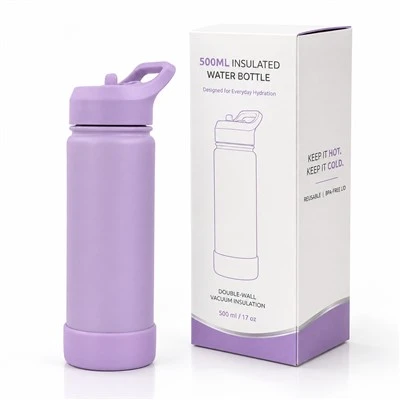
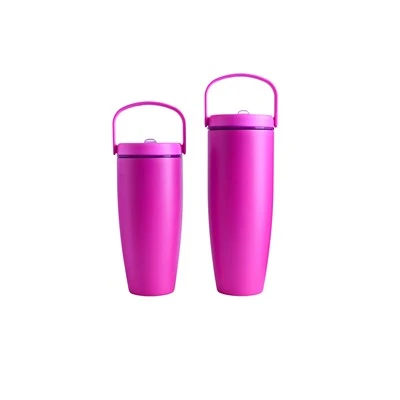
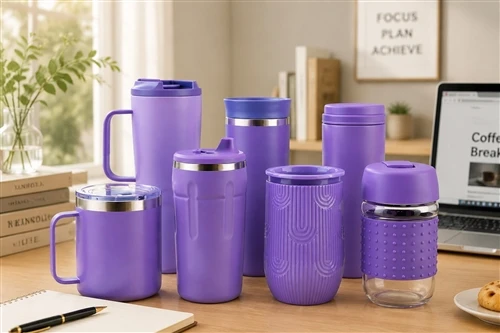
The first step is to define the product according to its intended market and application. Buyers should confirm capacity, bottle height, diameter, mouth opening, weight, wall construction and drinking method before requesting a quotation.
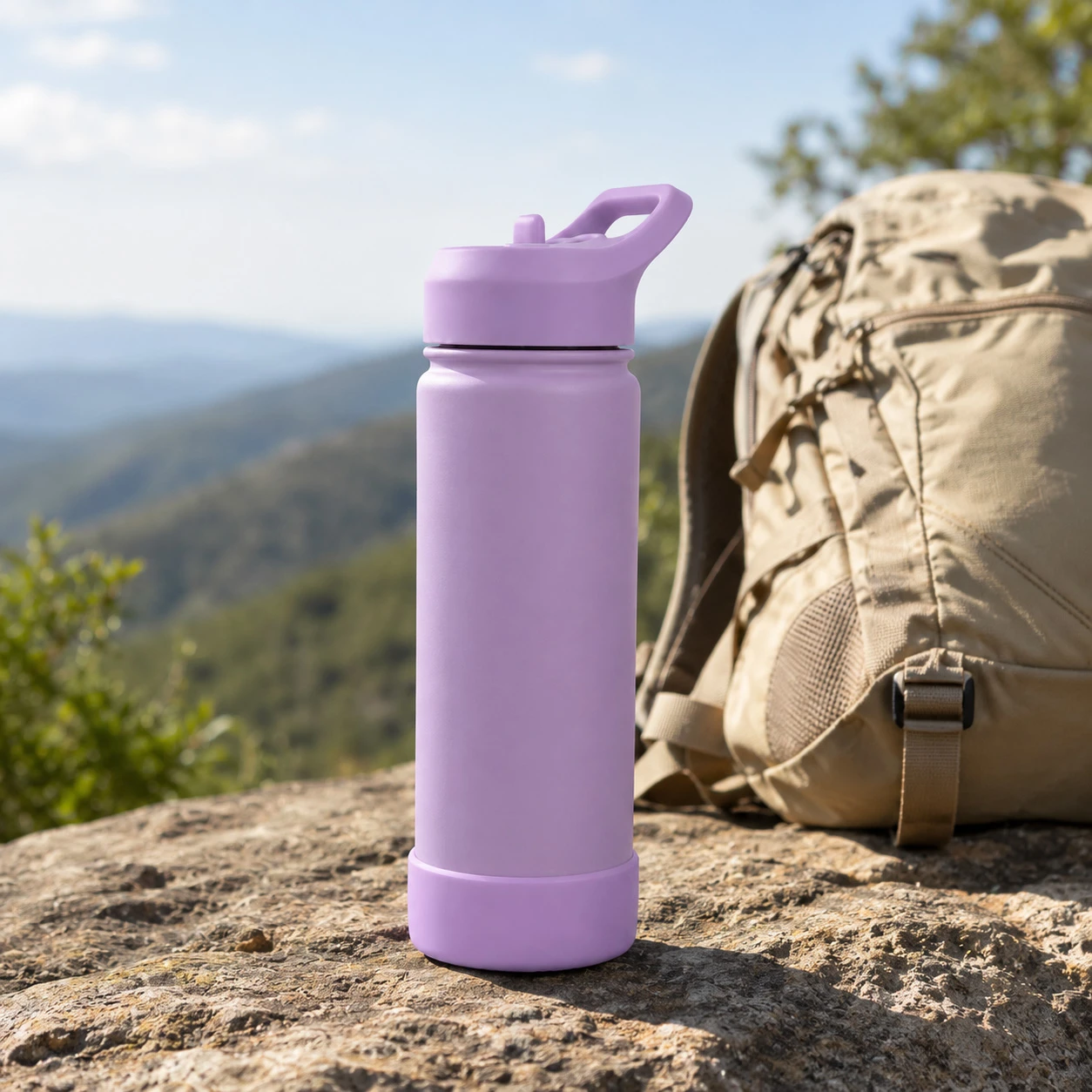
For sports and gym products, larger capacities, carrying handles and quick-access straw lids may be required. For office and commuting products, a compact body and cup-holder-compatible dimensions can be more practical. Outdoor products may require higher capacity, insulation and a more durable exterior finish.
A clear specification prevents manufacturers from quoting different product configurations under the same product name.
Select the Right Stainless Steel Construction
Material selection affects durability, weight, manufacturing cost and the intended market positioning. Buyers should specify the stainless steel grade required for the bottle body and confirm the materials used for the lid, straw, sealing rings and other components.
For products marketed as Stainless Steel Water Bottles, buyers should also confirm whether the body is single-wall or double-wall. A double-wall construction can provide space for vacuum insulation, while a single-wall structure can reduce product weight and manufacturing cost.
The material specification should therefore be included in the purchase order and approved sample rather than relying only on product descriptions.
Evaluate the Straw Lid System
The lid is one of the most important components of a straw bottle because it directly affects drinking convenience, leakage prevention, cleaning and long-term use.
When sourcing a stainless steel water bottle with straw lid, buyers should check:
Straw material and diameter
Straw length and connection method
Drinking opening size
Silicone sealing ring
Locking mechanism
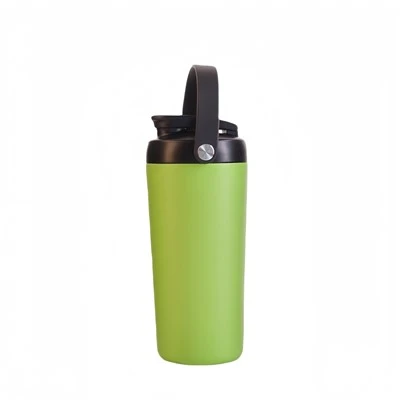
Handle structure
Lid opening method
Ease of disassembly and cleaning
Replacement straw availability
Leakage test requirements
For a stainless steel water bottle with reusable straw, the straw should be designed for repeated use and cleaning. Buyers should confirm whether the straw and sealing components can be removed without damaging the lid assembly.
Choose Insulation and Capacity
Capacity should be selected according to the target application rather than simply choosing the largest available size.
Common development ranges may include approximately 350–500 ml for compact everyday use, 500–750 ml for office and fitness applications, and 750–1000 ml or larger for outdoor activities and extended hydration.
For an insulated stainless steel water bottle with straw, buyers should confirm the insulation construction and define how thermal performance will be tested. Hot and cold retention results depend on factors such as initial beverage temperature, ambient temperature, filling volume, test duration and whether the lid is opened during testing.
Therefore, buyers should request test conditions together with any insulation-performance claim.
Plan OEM & ODM Customization
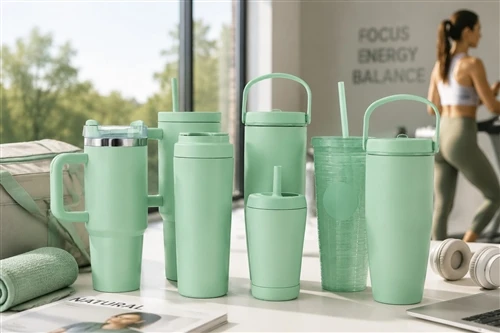
Private-label buyers normally require more than logo printing. A complete OEM/ODM program can involve bottle geometry, capacity, wall construction, lid design, straw length, handle, color, surface finish, logo process and packaging.
Typical customization options include:
Bottle: shape, height, diameter, capacity and wall construction.
Lid & Straw: flip lid, straw lid, handle, drinking opening, straw length and sealing structure.
Appearance: Pantone color matching, powder coating, printing, laser engraving, embossing and other surface treatments.
Branding: logo position, logo size, artwork requirements and retail presentation.
Packaging: individual boxes, custom inserts, labels, barcodes, carton markings and shipping cartons.
For Hangzhou MACYS Houseware Co., Ltd., the specification should be confirmed before sampling so the approved sample can serve as the reference for bulk production.
Compare MOQ, Pricing and Production Costs
A bulk quotation should be based on a clearly defined configuration. Buyers can request price levels at different quantities, such as 1,000, 5,000 and 10,000 pieces, to understand how production volume affects the unit cost.
The final quotation may be influenced by:
Stainless steel specification
Bottle capacity
Single-wall or vacuum construction
Lid and straw design
Surface treatment
Logo method
Number of colors
Packaging structure
Order quantity
Tooling or mold requirements
Shipping and delivery terms
MOQ should also be clarified separately for product quantity, color, logo and customized packaging. A manufacturer may have different MOQ requirements for standard products and newly developed OEM products.
Control Samples and Bulk Production
Before placing a large order, buyers should approve a production sample or pre-production sample covering all important specifications.
The approved sample should represent:
Bottle dimensions
Capacity
Material
Weight
Lid structure
Straw length
Color
Logo position
Surface finish
Packaging configuration
This creates a physical reference for production inspection. Any changes after sample approval should be documented and confirmed before mass production.
For customized orders, buyers should also confirm the production schedule, raw material preparation, packaging readiness and estimated shipment date before releasing the bulk order.
Check Quality Control and Compliance
Bulk purchasing requires quality control at several production stages. Incoming stainless steel and components should be checked against the agreed specifications. During production, manufacturers can inspect bottle dimensions, lid fit, straw assembly, sealing components, handles and surface treatment.
Finished products should be checked for leakage, appearance defects, color consistency, logo placement and packaging accuracy.
Depending on the destination market and sales channel, buyers may also need applicable food-contact documentation and testing for the materials used in the bottle, lid, straw and sealing components.
The buyer should clarify which documents are required before production rather than requesting them after the goods are completed.
Confirm Packaging, Carton and Shipping Requirements
Packaging becomes important when ordering thousands of units because it affects product protection, warehouse storage and shipping cost.
Before production, confirm the individual packaging method, carton dimensions, pieces per carton, gross weight, net weight, carton markings and barcode requirements.
For retail products, buyers may require customized boxes and labels. For wholesale distribution, stronger master cartons and optimized carton dimensions may be more important.
The final carton specification should be confirmed before shipment so the buyer can calculate warehouse capacity and logistics costs.
Prepare an Accurate RFQ for the Manufacturer
A complete RFQ helps the manufacturer calculate a more accurate quotation and reduces repeated communication.
The buyer should provide the following information:
Product: stainless steel bottle with straw
Capacity: required volume
Material: stainless steel grade
Structure: single-wall or double-wall vacuum
Lid: required lid and locking structure
Straw: material, length and drinking opening
Color: Pantone reference or sample
Logo: artwork and printing method
Packaging: individual and master carton requirements
Quantity: estimated order volume
Compliance: required market documents
Destination: shipping country or port
Timeline: sample approval and target delivery date
Hangzhou MACYS Houseware Co., Ltd. can use these specifications to evaluate the product configuration, customization requirements and production conditions for an OEM/ODM project.
Conclusion
A successful bulk purchase of a steel water bottle with straw depends on controlling the complete specification before production. Buyers should evaluate material, structure, straw lid, insulation, capacity, customization, MOQ, price, sample approval, quality control, compliance, packaging and lead time as one purchasing system.
Instead of asking only for the lowest unit price, buyers can provide a complete product specification and request a configuration-based quotation. This makes supplier comparison more accurate and provides a clear reference for sample approval and mass production.