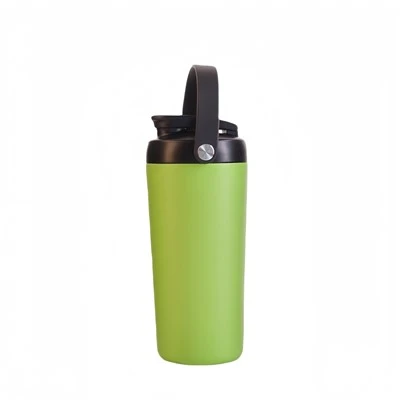
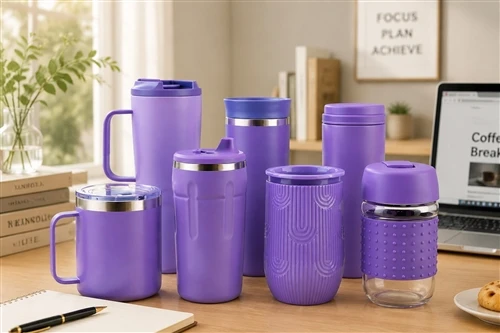
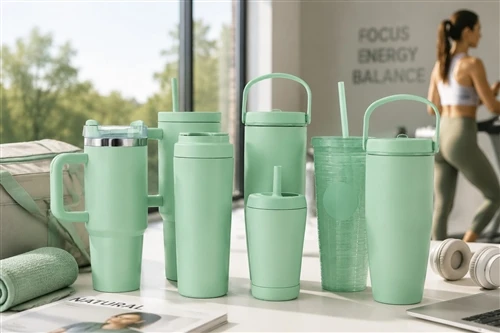
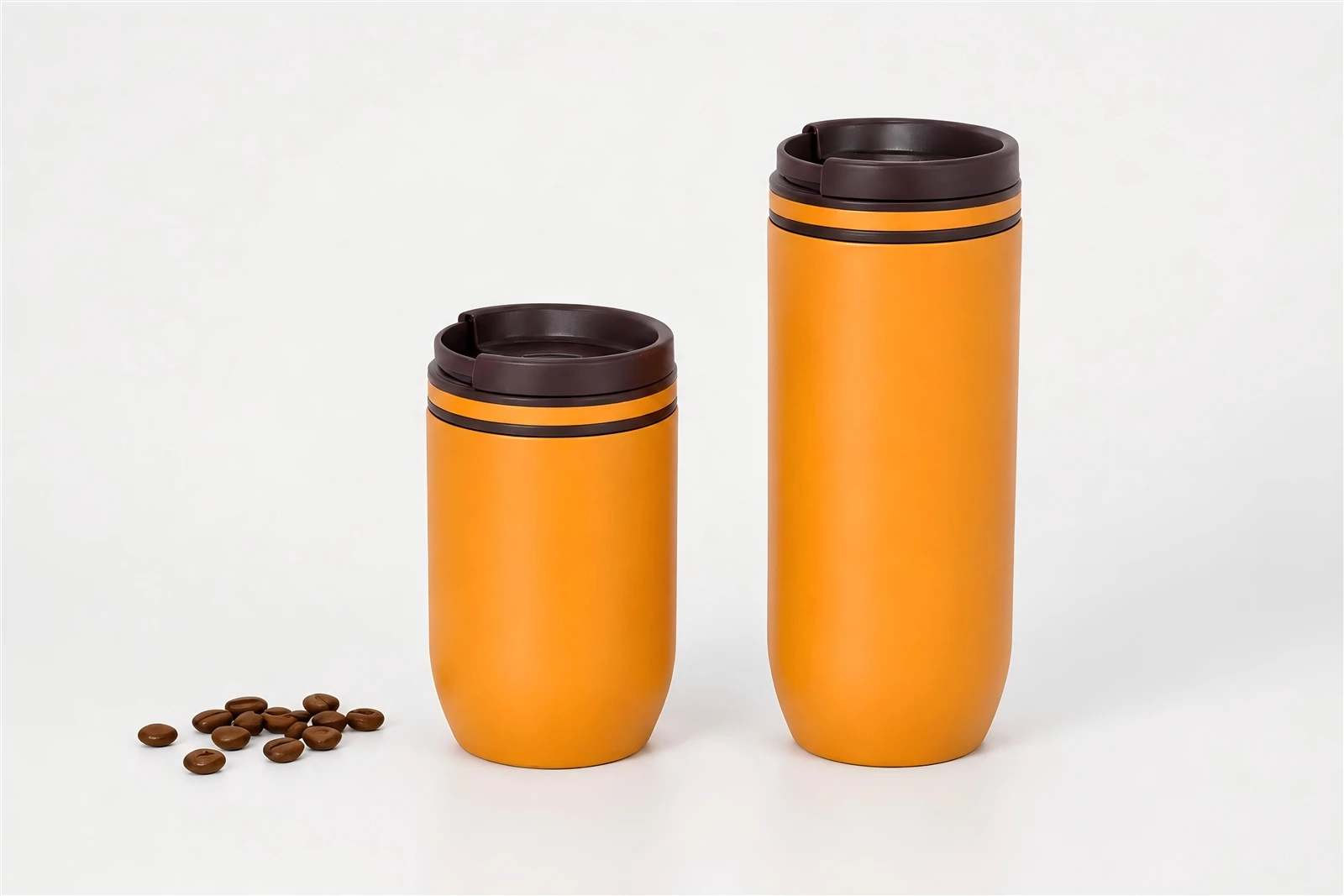
A regular water bottle is mainly designed to hold and transport beverages, while a shaker bottle is built around an additional function: mixing powdered drinks. This difference becomes important when preparing protein shakes, meal replacement drinks, electrolyte powders, or other powdered beverages that need to be blended before drinking.
Although both products can be used for hydration, their internal structures, closures, openings, and additional functions can be quite different. Understanding these differences can help product developers, distributors, and retailers determine when a dedicated shaker bottle makes more sense than a conventional water bottle.
What Is the Main Difference Between a Shaker Bottle and a Regular Water Bottle?
The fundamental difference is the intended function. A regular water bottle is primarily a container for storing and drinking liquid. Its design generally focuses on capacity, portability, drinking convenience, and secure closure. When used with plain water or other ready-to-drink beverages, no internal mixing mechanism is required.
A shaker is designed to combine liquid with powdered ingredients. Protein powder, for example, needs to be dispersed throughout the liquid rather than simply added and left inside the bottle. Without sufficient movement, powder can remain in clumps or settle at the bottom or along the inner wall.
This makes this type of drinkware more than a liquid container. It combines mixing, drinking, and portability within one product structure.
Mixing Function: The Fundamental Difference
A conventional water bottle normally does not contain a dedicated mechanism for mixing powdered ingredients. Its internal space is designed primarily to hold liquid.
If protein powder or another powdered supplement is added to a regular bottle, shaking the bottle can create some movement, but the absence of a dedicated mixing structure can make it more difficult to disperse the powder evenly. Powder may remain as clumps, settle at the bottom, or adhere to the inner wall. For simple hydration, this limitation is generally irrelevant because there is no powder to mix.
A shaker is designed around active mixing. When the bottle is shaken, the liquid and powder move together through the internal structure, helping break up clumps and distribute the powder throughout the drink.
Depending on the design, mixing can be assisted by a stainless steel spring mixing ball, a fixed plastic grid, or the geometry of the bottle itself. The result is a preparation process that requires fewer separate tools. Instead of using a cup, spoon, whisk, or blender to prepare a powdered drink, the bottle itself becomes part of the mixing process. This function is particularly relevant for products intended for protein shakes, sports nutrition, meal replacement drinks, and other powdered beverages.
Internal Mixing Structure: How Does a Shaker Bottle Mix Powder?
A shaker bottle uses its internal structure to create movement between the liquid and powdered ingredients during shaking. Different designs can use a loose mixing ball, a fixed mixing grid, or the geometry of the bottle itself. These structures provide different ways to increase liquid movement and help distribute powder more evenly.
Stainless Steel Mixing Ball
Structure: A stainless steel spring mixing ball is placed inside the bottle and moves freely through the liquid.
Purpose: The ball creates additional movement and disturbance as the bottle is shaken, helping break up powder clumps and disperse the ingredients.
Note: The removable design allows the mixing ball to be taken out when the bottle is used for regular drinking without powdered ingredients.
Fixed Mixing Grid
Structure: A fixed plastic grid is positioned inside the bottle or integrated into the lid structure.
Purpose: When the bottle is shaken, liquid and powder pass through the grid openings, creating additional flow paths that support ingredient distribution.
Note: Unlike a loose mixing ball, the grid remains in a fixed position and does not move independently inside the bottle.
Bottle Geometry
Structure: The internal shape and geometry of the bottle are designed to influence liquid movement during shaking.
Purpose: Suitable geometry can encourage circulation or vortex-like movement, helping carry powdered ingredients through the liquid.
Note: Mixing performance is not determined by bottle shape alone. Liquid volume, powder quantity, internal structure, and shaking movement can also affect the mixing process.
Lid and Leak Protection: Why Does Shaking Require a Different Closure?
A regular water bottle may only need to prevent leakage while the bottle is carried or stored. A shaker faces a different condition because the entire container is intentionally moved during preparation. The closure therefore needs to remain secure while the bottle is repeatedly shaken.
Common design elements include reinforced threads, rubber O-ring seals, flip-top lids, and locking structures. These components can work together to reduce the risk of liquid escaping around the lid or drinking opening during use.
The lid design also needs to balance sealing with usability. A closure that is difficult to open can slow down preparation and drinking, while a closure that does not remain secure during shaking can create practical problems. For customized drinkware projects, closure structure, sealing requirements, opening design, and overall usability can be considered together during OEM/ODM development.
Bottle Opening and Cleaning: Two Design Differences That Affect Daily Use
Wide-Mouth Design: A wider opening than a conventional narrow-mouth hydration bottle can make it easier to add protein powder or other powdered ingredients directly into the container and help reduce powder spilling around the opening. It also provides better access to the interior, making the bottle easier to inspect and clean after use.
Multi-Component Structure: Depending on the design, the product may include the bottle body, lid, sealing ring, mixing ball, mixing grid, or other removable components. These components support functions such as mixing, sealing, and drinking, but they can also create additional areas where powder or beverage residue may remain. Each removable component therefore needs to be considered as part of the overall cleaning design.
Cleaning Accessibility: The bottle opening, removable components, and lid construction determine how easily different areas can be reached during cleaning. Good accessibility helps users remove beverage residue from the bottle and its components after preparation. For customized development, opening size, component accessibility, and removable structures can be considered together to balance preparation convenience with daily cleaning requirements.
Shaker Bottle vs. Regular Water Bottle: Key Differences at a Glance
| Feature |  |
 |
|---|---|---|
| Primary purpose | Storing and drinking beverages | Mixing and drinking powdered beverages |
| Mixing structure | Usually not required | Mixing ball, grid, or specialized geometry may be used |
| Powder handling | Not specifically designed for powder | Designed to help disperse powdered ingredients |
| Lid design | Focuses on secure drinking and carrying | Designed to remain secure during vigorous shaking |
| Bottle opening | May use a standard drinking opening | Often uses a wider opening for adding powder and cleaning |
| Cleaning | Generally fewer components | May require cleaning several removable components |
| Storage | Primarily stores liquid | Some designs also store dry ingredients |
| Insulation | Depends on product structure | Some models combine insulation with mixing functions |
| Electric mixing | Not normally included | Available in some specialized designs |
What Should You Consider When Choosing a Shaker Bottle?
Selecting a suitable mixing bottle involves more than choosing a suitable capacity. The product should be considered as a complete system in which the mixing structure, closure, material, opening, and intended application work together.
- Mixing Structure: Consider how the bottle creates movement inside the liquid. A stainless steel mixing ball, fixed grid, or specialized bottle geometry can provide different approaches to powder dispersion. The expected powder type and preparation method should also be considered during product development.
- Closure Design: Because the bottle needs to be shaken during preparation, the closure should be evaluated for thread structure, sealing components, lid security, and ease of opening.
- Capacity Selection: Capacity should provide enough room for both liquid and powdered ingredients while remaining practical for the intended application.
- Material Selection: Plastic and metal designs can serve different product positioning requirements. Plastic configurations can offer a lightweight option, while metal structures can provide different durability and insulation characteristics. Material selection should be considered together with weight, structure, manufacturing requirements, and target application.
- Cleaning Design: Look at the number of removable components and whether the bottle opening provides sufficient access for cleaning. A design with multiple components may provide additional functions but can also require more attention during maintenance.
- Portable Design: Handle design, overall dimensions, weight, and closure structure can affect how easily the bottle can be carried to gyms, offices, outdoor locations, or during travel.
- Functional Options: Storage compartments, insulation, temperature-related features, and electric mixing can expand the functionality of this type of drinkware. These functions should be selected according to the intended market and product positioning rather than added without a specific use case.
- Customization Scope: For brands and distributors developing their own drinkware collections, customization can extend beyond colors and logos. Bottle capacity, materials, mixing structures, lid configuration, storage functions, and packaging can all be considered during product development. Hangzhou MacysHouseware Co., Ltd. provides OEM/ODM, sampling, product development, packaging and delivery, and after-sales support for customized drinkware projects.

About Hangzhou MacysHouseware Co., Ltd.
Hangzhou MacysHouseware Co., Ltd. was established in 2013 and has more than 10 years of water bottle manufacturing experience.
The company provides B2B bulk production and OEM/ODM services for water bottles, shaker bottles, thermos and stainless steel vacuum bottles, fruit infuser bottles, BPA-free plastic sports bottles, mugs, tumblers, and glass drinkware.
For shaker bottle projects, its services cover customization, product development, sampling, packaging and delivery, and after-sales support. This allows product concepts to be developed around different mixing structures, capacities, materials, closure configurations, and application requirements.
FAQ
Q1: Can I mix protein powder inside a regular water bottle?
A regular water bottle can hold protein powder and liquid, but it may not provide a dedicated mixing structure for dispersing powder. Undissolved powder may remain on the bottom or inner walls, which can affect the drinking experience and make cleaning more difficult. Shaker bottles can incorporate mixing structures such as mixing balls or mixing grids to support powder dispersion during shaking.
Q2: Does a stainless steel mixing ball improve mixing performance?
A stainless steel mixing ball can help break up powder clumps as it moves through the liquid during shaking. Mixing results can also depend on the bottle's internal structure, liquid level, powder quantity, and shaking time. A mixing mesh or grid can also be considered as an alternative depending on the product design and intended application.
Q3: Plastic vs. metal shaker bottles: which one is better for bulk orders?
There is no universal better option. Plastic shaker bottles can provide a lightweight configuration and support different color and design options, while stainless steel shaker bottles can provide different combinations of durability, weight, and insulation characteristics. The appropriate material depends on the target market, intended application, product positioning, and manufacturing requirements.
Q:4 What capacity options are available for shaker bottles?
Shaker bottles can be developed in different capacities to accommodate different serving sizes and usage scenarios. Compact sizes can be easier to carry during gym activities or travel, while larger capacities can provide more space for liquid and powdered ingredients. Hangzhou MacysHouseware Co., Ltd. can discuss capacity options according to your product requirements and intended application.
Q5: Can you customize shaker bottles with our brand logo?
Yes. Customization can cover bottle materials, capacity, lid configuration, mixing accessories, colors, surface printing, laser engraving, and packaging, depending on the product design and production requirements. Hangzhou MacysHouseware Co., Ltd. supports OEM/ODM, sampling, product development, packaging and delivery, and after-sales support for customized drinkware projects.
Q6: Are shaker bottles dishwasher safe?
Dishwasher suitability depends on the specific materials, components, surface treatment, and product construction. Cleaning requirements can be considered during customized product development and should be confirmed according to the selected model.
Q7: What is the MOQ for custom shaker bottles?
MOQ depends on the selected product, materials, customization requirements, and production arrangements. Standard products and customized products may have different minimum order requirements. Please contact Hangzhou MacysHouseware Co., Ltd. with your product requirements to confirm the applicable MOQ.
Q8: Can I get samples before bulk production?
Yes. Hangzhou MacysHouseware Co., Ltd. provides sampling for customized drinkware projects. Samples can be used to evaluate the product design and confirm customization requirements before bulk production. Sample arrangements, costs, and lead times depend on the selected product and customization requirements.