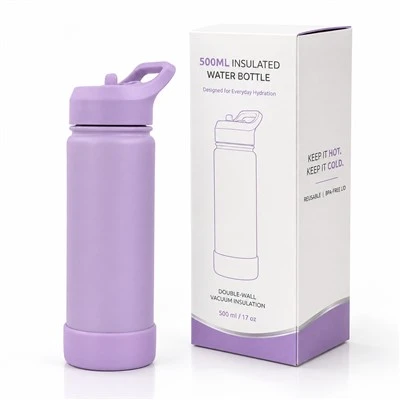
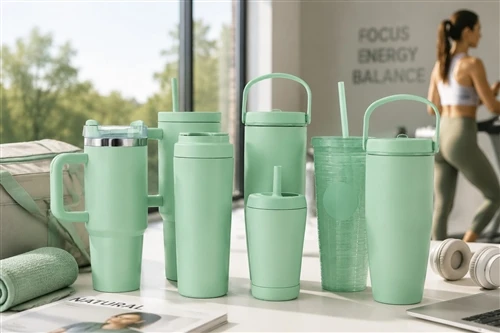
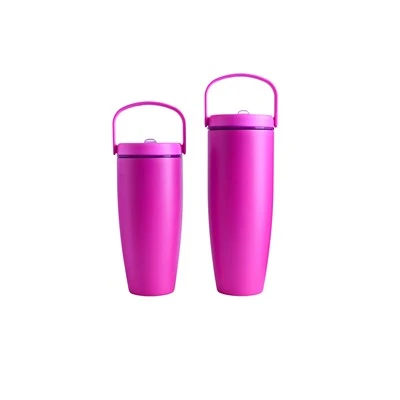
Custom drinkware projects often involve more than selecting a shape and adding a logo. For B2B development, the specifications need to be defined before sampling so that materials, lid construction, decoration, packaging, and production requirements can work together. A clear specification sheet also gives the factory a practical basis for quotation, tooling, sampling, and mass production.
1. Define the Body Material and Construction
The first step is to determine the material according to the intended application and target price structure. Stainless steel, aluminum, and plastic constructions can result in different product weights, forming processes, surface treatments, and cost structures.
For insulated stainless steel models, the inner and outer walls, vacuum structure, base construction, and welding process should be confirmed during development. For single-wall products, the focus may shift toward wall thickness, body forming, surface finish, and overall weight.
At Hangzhou MACYS Houseware Co., Ltd., stainless steel tube forming and automated metal fabrication are part of the factory's production equipment, allowing material and body construction to be considered together during product development.
2. Evaluate the Lid as a Separate Component
The lid can directly affect usability, sealing, cleaning, and the overall structure of the finished product.
Before sampling, specify whether the project requires a straw lid, sliding lid, flip lid, or another closure structure. The opening method, sealing components, straw position, lid diameter, and connection with the body should also be checked.
For custom Tumblers, the lid should not be treated as an accessory added after the body has been finalized. Its dimensions can affect the mouth opening, overall height, packaging configuration, and even the balance of the finished product.
For projects developed with MACYS, lid structure can be evaluated alongside body dimensions and the intended application during the OEM/ODM process.
3. Check the Insulation Requirements
For vacuum-insulated products, insulation should be defined as a technical requirement rather than a general marketing statement.
The project specification can include the insulation structure, target temperature-retention requirements, testing method, and test conditions. These details provide a clearer reference for sample evaluation.
The body construction also matters. A double-wall vacuum structure requires additional manufacturing steps compared with a single-wall design, and changes to the body shape can affect the vacuum process.
MACYS's factory includes vacuum processing equipment, allowing vacuum construction to be incorporated into the manufacturing process when required.
4. Plan Surface Decoration Before Production
Logo placement and surface treatment should be confirmed before mass production because different decoration methods require different production processes.
Laser engraving, UV printing, coating, and other decoration methods can be selected according to the material, artwork, logo size, and required position. Artwork should be supplied in a format that allows the factory to confirm dimensions and placement before sampling.
MACYS operates laser engraving and UV printing facilities as well as an automated coating line. These capabilities allow branding requirements to be reviewed together with the product's surface treatment rather than added at the final stage.
5. Treat Sampling as a Specification Check
A pre-production sample should be used to verify more than appearance.
The sample review can cover body dimensions, capacity, lid assembly, sealing, surface finish, logo position, packaging fit, and overall construction. If the project involves a new structure, the sample can also help identify adjustments needed before tooling or mass production.
For MACYS OEM/ODM projects, the product concept can be developed with the factory's production processes in mind. This helps connect design decisions with actual manufacturing requirements instead of separating product development from production planning.

Packaging should be discussed before the final quotation because product dimensions, lid structure, accessories, and individual packaging can affect carton size and packing quantity.
For a customized order, the specification should clearly state the product dimensions, packaging method, logo requirements, accessories, carton configuration, and required documentation. This gives both sides a consistent reference when moving from sample approval to production.
Hangzhou MACYS Houseware Co., Ltd. provides OEM/ODM services and operates production equipment covering stainless steel forming, automated metal fabrication, injection molding, vacuum processing, coating, laser engraving, and UV printing. Its product portfolio also includes stainless steel, insulated, travel, handle, straw, skinny, and customTumblers
For B2B projects, connecting these requirements at the specification stage can make the transition from product development to mass production more straightforward.
FAQ
1: What information should be provided when requesting a custom tumbler quotation?
The initial specification should include material, capacity, dimensions, lid type, insulation structure, surface finish, logo method, packaging, and estimated order quantity. Drawings or reference samples can also help the factory assess the project.
2: Can MACYS customize both the body and lid?
Yes. OEM/ODM development can cover the product structure, lid configuration, materials, surface treatment, branding, and packaging requirements. The specific customization scope should be confirmed during project evaluation.
3: Should the logo method be decided before sampling?
Yes. Laser engraving, UV printing, coating, and other decoration methods can require different production processes. Confirming the method and artwork before sampling helps the factory prepare the correct sample configuration.
4: What should be checked before approving a bulk order?
The approved sample should be compared against the agreed specifications, including dimensions, capacity, lid assembly, sealing, surface finish, logo position, packaging, and accessories. Any changes should be documented before mass production begins.