Developing a private-label drinkware product requires more than adding a logo to an existing model. The body structure, handle, lid, material, decoration, packaging, and production method all need to match the intended market and order requirements. For B2B projects, these details should be confirmed before sampling so that the final specification can move smoothly from development to production.
1. Start With the Product Structure
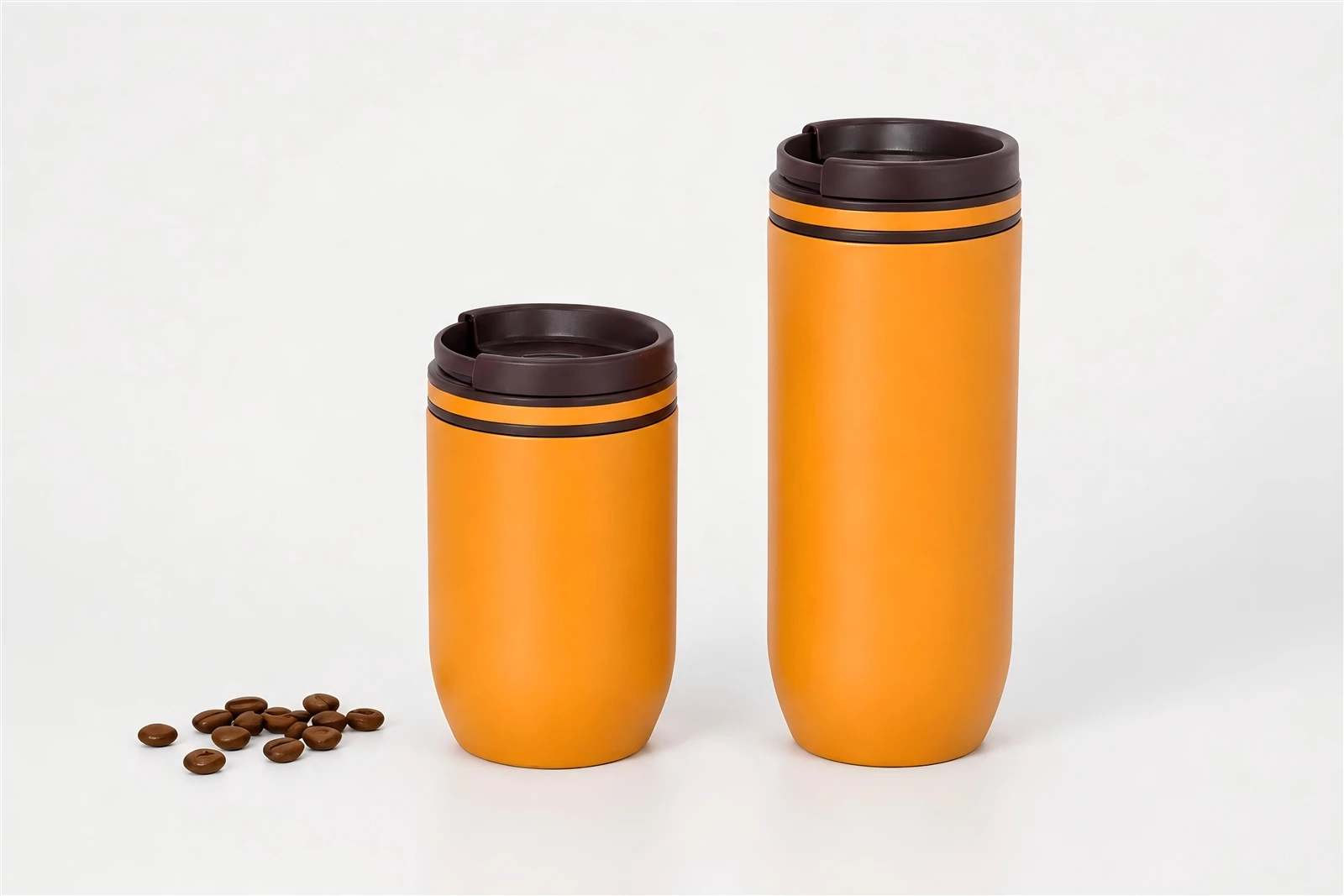
A suitable Coffee Mug should first have a structure that matches its intended application. Office use may require a compact body and comfortable handle, while travel-oriented designs may need a lid, sealing structure, and compatibility with vehicle cup holders.
The body diameter, height, opening size, base structure, and handle position should be defined before tooling. A change to one dimension can affect the relationship between other components, particularly when a lid or insulated construction is included.
Hangzhou MACYS Houseware Co., Ltd. develops drinkware using stainless steel, plastic, and glass constructions, allowing the material and structural requirements to be considered during OEM/ODM development.
2. Select the Material According to the Product Position
Material selection directly affects manufacturing processes, weight, appearance, and product positioning.
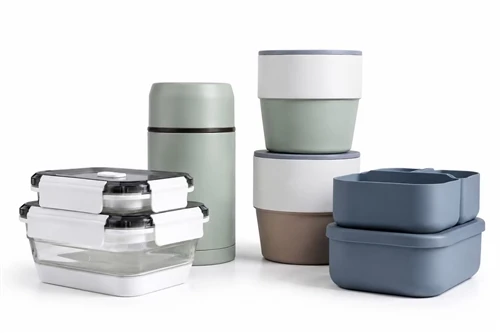
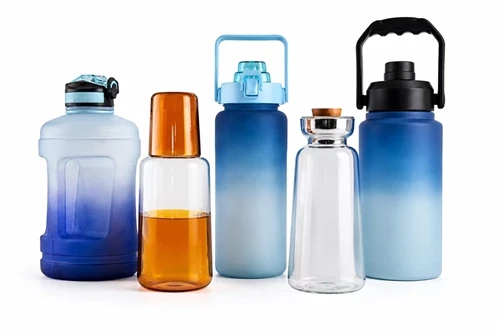
Stainless steel can be used for insulated or travel-oriented models, while plastic can support lighter product structures. Glass can be considered when beverage visibility is part of the intended design.
For MACYS projects, material selection can be coordinated with production capabilities including stainless steel tube forming, automated metal fabrication, injection molding, and vacuum processing. This is useful when a private-label project requires a specific construction rather than a simple logo application.
3. Pay Attention to Handle and Lid Compatibility
The handle is an important structural component for a Coffee Mug because its position affects grip, balance, and packaging dimensions.
Before sampling, confirm the handle shape, attachment method, clearance from the body, and connection area. For models with lids, the lid diameter and opening structure should also be matched with the mouth of the mug.
MACYS supports mug categories including stainless steel, insulated, travel, office, and custom designs, giving different structural options for OEM and private-label development.
4. Define the Branding Method Early
Private-label development requires the decoration method to be selected before sampling. Laser engraving, UV printing, coating, and other processes can produce different visual results and require different production steps.
The artwork should specify logo dimensions, position, surface, and color requirements. For complex designs, confirming the artwork with the factory before production can reduce changes during sampling.
MACYS operates an automated coating line as well as laser engraving and UV printing facilities. These production resources allow branding requirements to be considered alongside the product's surface treatment and material.
5. Check the Sample Against the Final Specification
A sample should be reviewed as a production reference rather than only as an appearance sample.
The evaluation can include dimensions, capacity, handle position, lid assembly, surface finish, logo placement, accessories, and packaging fit. For customized structures, the sample also provides an opportunity to confirm whether the selected components work together before bulk production.
At MACYS, OEM/ODM development is supported by an in-house design team and manufacturing processes covering product development, forming, molding, vacuum processing, coating, and decoration.
A private-label Mug should be evaluated together with packaging and production requirements. Changes to the handle, lid, body dimensions, or accessories can affect individual packaging, carton size, packing quantity, and shipping configuration.
For a new project, the specification should therefore include material, dimensions, capacity, handle structure, lid type, decoration method, packaging, order quantity, and required documentation.
Hangzhou MACYS Houseware Co., Ltd. provides OEM/ODM services and operates production equipment for stainless steel forming, automated metal fabrication, injection molding, vacuum processing, coating, laser engraving, and UV printing. Its product portfolio includes stainless steel, insulated, travel, office, and custom Coffee Mugs.
Defining these items before sampling gives the factory a clearer production reference and helps connect product development with mass-production planning.

FAQ
1: What specifications should be provided for a custom Coffee Mug?
The initial specification should include material, capacity, dimensions, handle design, lid structure if required, surface treatment, logo method, packaging, and estimated order quantity.
2: Can MACYS customize the handle and lid?
Yes. OEM/ODM development can cover the body structure, handle, lid, materials, surface treatment, branding, and packaging. The exact customization scope can be evaluated according to the project requirements.
3: Can the logo be customized for private-label orders?
Yes. MACYS provides laser engraving, UV printing, coating, and other surface-decoration processes. The appropriate method depends on the material, artwork, logo position, and required finish.
4: What should be confirmed before mass production?
The approved sample should be checked against the agreed dimensions, capacity, handle and lid structure, surface finish, logo position, accessories, and packaging configuration. Any specification changes should be confirmed before production begins.