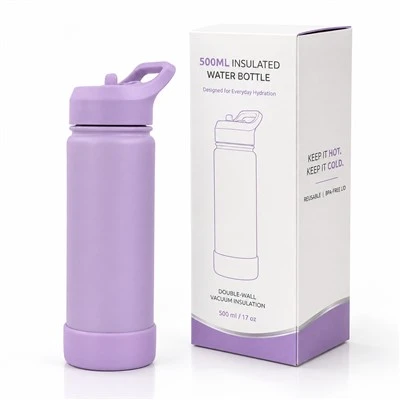
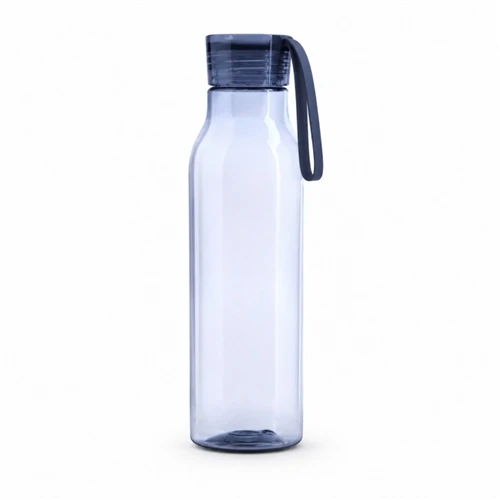
Developing a private label water bottle collection involves more than adding a company logo to an existing product. For retailers, wholesalers, promotional product distributors and emerging drinkware brands, a successful private label project requires decisions about product selection, material specifications, branding methods, packaging structures and bulk production arrangements.
A water bottle may look like a simple consumer product, but its commercial value depends on several details: bottle capacity, body material, lid construction, drinking method, surface finish, carrying accessories and packaging presentation. These elements influence how the product fits a particular market and how efficiently it can be manufactured in large quantities.
Working with an experienced OEM/ODM drinkware manufacturer allows businesses to coordinate these requirements through one production partner rather than managing separate suppliers for product development, branding and packaging.
For businesses planning to launch or expand a drinkware collection, MACYS Houseware provides OEM/ODM customization services for water bottles, stainless steel tumblers, coffee mugs, shaker bottles, water jugs and food containers. Its manufacturing capabilities cover product selection, appearance customization, logo application and customized packaging for bulk orders.
This guide explains how to develop custom-branded water bottles step by step and what businesses should prepare before placing a wholesale order.
Why Are Private Label Water Bottles a Business Opportunity?
Private label drinkware allows a business to sell products manufactured by a third-party factory under its own brand identity. Instead of investing in an entirely new manufacturing facility, a brand can work with an established manufacturer to select suitable product designs and customize them for its target customers.
This model is relevant to several types of businesses:
Retail brands: Develop branded water bottles for supermarkets, department stores and specialty shops.
E-commerce sellers: Build a recognizable product collection for online marketplaces and independent stores.
Fitness and sports brands: Offer shaker bottles, gym water bottles and large-capacity water jugs.
Corporate gift suppliers: Develop customized drinkware with company logos and gift packaging.
Wholesale distributors: Purchase multiple drinkware categories under a consistent private label.
The main advantage is that businesses can focus on product positioning, sales channels and brand development while the manufacturer handles production-related work.
However, private labeling should not be treated as a one-size-fits-all solution. A fitness brand may prioritize bottle capacity, carrying handles and measurement markings, while a premium retail brand may focus more on stainless steel construction, surface finishing and gift-ready packaging.
The product specification should be developed around the intended market rather than choosing customization options simply because they are available.
Understand the Difference Between Private Label, OEM and ODM
Before contacting a manufacturer, buyers should understand the differences between private label, OEM and ODM manufacturing. These cooperation models determine how much product development work the buyer needs to provide and what responsibilities the factory will undertake.
|
Manufacturing Model |
Product Development |
Buyer Involvement |
|---|---|---|
|
Private Label |
Existing product designs |
Logo, colors and packaging |
|
OEM |
Based on buyer specifications or designs |
Product structure, dimensions and functions |
|
ODM |
Manufacturer-supported product design |
Product selection, design adjustments and branding |
Private Label Manufacturing
Private label manufacturing is suitable for businesses that want to launch branded products without developing a completely new structure.
Buyers can select existing water bottle models and customize:
Brand logos and artwork
Bottle colors and surface finishes
Packaging boxes and labels
Selected accessories and product details
This approach can reduce initial development work because the basic product structure already exists.
OEM Manufacturing
OEM manufacturing is suitable when buyers have specific product requirements, technical drawings or reference samples.
For example, a brand may require a 1000ml Tritan bottle with a particular body shape, straw lid, carrying handle and measurement scale.
The manufacturer evaluates the specifications and organizes production according to the confirmed design and manufacturing requirements.
ODM Manufacturing
ODM manufacturing provides more design support from the manufacturer. Buyers can select an existing product concept and work with the factory to adjust its appearance, functions, materials or accessories.
For businesses without a complete product design, ODM offers a practical way to develop a differentiated drinkware collection using the manufacturer's existing product development and manufacturing resources.
Choose the Right Drinkware Products for Your Brand
Product selection should be the first major decision in a private label project. Different drinkware categories serve different customer groups, price positions and purchasing occasions.
MACYS covers several drinkware categories that can be developed for different retail and wholesale markets.
Stainless Steel Tumblers
Stainless steel tumblers are suitable for retail collections, office use, commuting and promotional products.
Customization can include:
Tumbler capacity and body dimensions
Stainless steel material specifications
Lid and straw configurations
Handle structures
Powder coating and surface colors
Logo printing and packaging
Tritan Water Bottles
Brands can consider different capacities, transparent or colored bodies, straw structures, flip-top lids and carrying accessories.
For example, MACYS offers a 1000ml Tritan straw bottle weighing approximately 140g, with a stated temperature range of -20°C to 100°C. Such product specifications can provide a starting point for developing a private label bottle range, subject to final model confirmation.
Shaker Bottles
Shaker bottles are designed for fitness brands, supplement retailers and sports distributors.
Important customization details include bottle capacity, mixing components, lid sealing structures, measurement scales, grip areas and logo placement.
Water Jugs and Large-Capacity Bottles
Large-capacity water jugs are relevant to gyms, outdoor activities and fitness-related retail collections.
Popular customization options include gradient colors, carrying handles, straps, time markings, wide-mouth openings and customized packaging.
Rather than developing only one bottle model, retailers can combine different drinkware categories to create a consistent product collection under one brand.
Define Your Customization Requirements
After selecting the product category, the next step is to prepare a clear customization specification. A manufacturer's ability to customize different product components directly affects the final appearance, functionality and production arrangement.
For MACYS OEM/ODM projects, customization can be organized into several main areas.
Bottle Body and Appearance
The bottle body determines the product's overall appearance and dimensions. Buyers can provide reference images, existing samples or design concepts to communicate their requirements.
Customization may include:
Bottle height, diameter and capacity
Body shape and structural details
Transparent, translucent or solid-color appearance
Gradient colors and Pantone color matching
Matte, glossy or other surface finishes
Logo Application
Logo placement and printing methods should be considered during product development rather than after production begins.
Common options include:
Silk Screen Printing: Suitable for logos and simple graphic designs.
Heat Transfer Printing: Used for decorative graphics and selected surface designs.
Laser Engraving: Suitable for permanent markings on compatible metal surfaces.
Other Printing Methods: Selected according to the material, surface geometry and artwork requirements.
The manufacturer should evaluate the logo dimensions, printing position, color requirements and production process before confirming the final sample.
Lids, Handles and Accessories
Functional components influence how customers interact with the product.
Depending on the selected model, customization may cover:
|
Component |
Customization Details |
|---|---|
|
Bottle Lid |
Flip-top, screw-on, straw or other lid structures |
|
Handle |
Shape, size, position and material |
|
Straw |
Length, diameter and configuration |
|
Carrying Strap |
Length, color and attachment method |
|
Measurement Scale |
Marking position, units and printing |
|
Sealing Components |
Gasket structure and fitting requirements |
For example, a gym water jug may require a large handle, a carrying strap and visible measurement markings. A retail tumbler may prioritize its handle shape, lid appearance and surface finish.
Packaging and Brand Presentation
Packaging is another important part of private label development. A customized product may be sold through retail shelves, e-commerce platforms, corporate gift channels or wholesale distribution networks.
MACYS can coordinate packaging customization based on the project requirements, including custom color boxes, branded packaging artwork, product labels and packaging specifications.
The packaging dimensions should be confirmed according to the final product and its accessories to avoid unnecessary material usage or unsuitable product protection during transportation.
Select the Right Materials and Product Structures
Material selection affects product weight, manufacturing processes, appearance, cost and intended use. Buyers should compare material characteristics before confirming a bulk production specification.
|
Material |
Main Characteristics |
Typical Applications |
|---|---|---|
|
304 Stainless Steel |
Corrosion resistance and durability |
Tumblers, insulated bottles |
|
PP |
Lightweight and suitable for molded components |
Sports bottles, lids and accessories |
|
AS |
Transparent appearance and rigid structure |
Selected plastic drinkware |
|
Tritan |
Lightweight, transparent and suitable for reusable bottles |
Water bottles and sports drinkware |
Material selection should also consider food-contact requirements in the destination market. Buyers should confirm the applicable testing and documentation for the specific material, finished product and intended application.
For products containing multiple components, it is important to define the material of each part separately. For example, a bottle body, lid, straw and sealing gasket may use different materials and require different specifications.
MACYS supports drinkware customization across stainless steel and plastic product categories, allowing buyers to coordinate product appearance, material selection and functional components within their product development plans.
How to Develop Custom-Branded Water Bottles in Bulk
A structured development process helps reduce repeated design changes and prevents misunderstandings between buyers and manufacturers.
The following workflow can be used when planning a private label drinkware order.
Identify Your Target Customers
Define the intended sales channel and customer group before selecting products.
For example, fitness brands may need shaker bottles and gallon jugs, while lifestyle retailers may prefer stainless steel tumblers and coffee mugs.
Prepare Product Specifications
Provide the manufacturer with the basic product requirements:
Product category and reference model
Capacity and dimensions
Preferred materials
Lid and accessory requirements
Estimated order quantity
Target market and applicable compliance requirements
If you have drawings, product samples or reference photographs, include them in the initial discussion.
Confirm Branding and Customization
Prepare your logo files, brand colors and packaging concepts.
The manufacturer can then assess whether the requested customization is compatible with the selected product structure and production process.
Review Samples Before Mass Production
Sampling allows buyers to evaluate the actual product instead of relying only on digital images.
Important inspection points include:
Dimensions and product weight
Material appearance and surface finish
Lid fitting and opening mechanisms
Leak resistance under defined test conditions
Logo position and printing quality
Packaging dimensions and presentation
Sample approval should be completed before mass production begins. Any confirmed changes should be documented in the final production specifications.
Confirm Bulk Order Details
Once the sample is approved, buyers and manufacturers should confirm the quotation, MOQ, order quantity, packaging details, production schedule and shipping arrangements.
For multi-product orders, it is also important to confirm the quantity and specifications of each SKU separately.
Production and Quality Inspection
During manufacturing, the factory should organize quality checks according to the confirmed product specifications.
These may include incoming material checks, component inspections, printing checks, assembly inspections and finished-product testing.
For bulk orders, buyers should agree on the inspection criteria and acceptable quality requirements before production starts.
Packaging and Shipment
After final inspection, products are packed according to the approved packaging specifications.
The manufacturer and buyer should confirm carton dimensions, packing quantities, shipping marks and export documentation before dispatch.
This process provides a clear connection between product development, manufacturing and final delivery.
What Factors Affect MOQ, Pricing and Production Lead Time?
MOQ and unit pricing depend on the selected product and customization requirements. There is no universal MOQ that applies to every drinkware project.
Several factors influence the final quotation:
Product Category and Material
Stainless steel tumblers and Tritan bottles involve different manufacturing processes, components and material costs.
Customization Complexity
Standard logo printing generally requires less development work than a new bottle structure, customized mold or specially designed lid.
Order Quantity
Larger quantities may distribute certain setup and production costs across more units, potentially reducing the unit price.
Printing and Packaging
Multiple printing colors, special surface finishes, custom packaging structures and additional accessories can affect the overall cost.
Sampling and Tooling
New product development may require sample preparation, mold development and additional testing, which should be evaluated separately in the quotation.
For MACYS, the stated standard MOQ is 1,000 pieces, while the final order requirements should be confirmed according to the product model and customization scope.
Production planning should also account for sample approval, material preparation, printing, assembly, inspection and packaging. Buyers should request a project-specific schedule rather than relying on a general delivery estimate.
How to Evaluate a Private Label Water Bottle Manufacturer
Choosing a manufacturer is not simply about comparing unit prices. Buyers should evaluate whether the supplier can handle the complete customization process and maintain consistent product specifications across bulk orders.
Here are five important factors to consider.
Product Range and Manufacturing Experience
Check whether the manufacturer can supply different drinkware categories. A supplier covering water bottles, tumblers, coffee mugs, shaker bottles and water jugs may help buyers develop multiple product lines through one manufacturing partner.
OEM/ODM Customization Capabilities
Ask whether the factory can work with customer drawings, reference samples and design concepts. Check its ability to customize product structures, colors, logos, accessories and packaging.
Production Capacity
Production capacity affects how manufacturers organize large-volume orders and multiple SKUs.
Quality Control and Product Testing
Ask about material inspections, dimensional checks, assembly inspections, leak testing and finished-product inspection procedures. Relevant certifications and test reports should be checked against the actual products and destination-market requirements.
Communication and Order Management
A capable supplier should be able to clarify technical requirements, identify production limitations and provide feedback during sampling and mass production.
How MACYS Supports OEM/ODM Drinkware Projects
Hangzhou MACYS Houseware Co., Ltd. is a drinkware manufacturer established in 2013, providing OEM/ODM manufacturing services for international brands, wholesalers, retailers, distributors and promotional product buyers.
Instead of focusing on a single bottle category, MACYS offers multiple drinkware product lines, helping customers develop coordinated collections for different sales channels.
Multi-Category Product Manufacturing
MACYS product categories include:
Water Bottles
Stainless Steel Tumblers
Coffee Mugs
Shaker Bottles
Water Jugs
Food Containers
Fruit Infuser Bottles
This product range gives buyers the flexibility to develop different product combinations under one private label.
Manufacturing Capacity for Bulk Orders
MACYS operates 12 production lines with a stated daily production capacity of approximately 50,000 units. Its shaker bottle production capacity exceeds 15,000 pieces per day.
These production resources support bulk order planning across different drinkware categories. Actual production schedules depend on product models, order quantities and customization requirements.
Customization from Product to Packaging
MACYS provides customization options covering several stages of product development:
|
Customization Area |
MACYS Manufacturing Support |
|---|---|
|
Product Design |
Product selection and design adjustments |
|
Materials |
Stainless steel, PP, AS and Tritan |
|
Product Structure |
Capacity, dimensions, lids and accessories |
|
Appearance |
Custom colors, gradient effects and surface finishes |
|
Branding |
Silk screen printing, heat transfer and other suitable methods |
|
Packaging |
Custom boxes and branded packaging |
|
OEM/ODM |
Development based on drawings, samples or product concepts |
For example, a retailer developing a fitness drinkware collection may combine a 1000ml Tritan straw bottle, a large-capacity water jug and a customized shaker bottle.
MACYS can coordinate the product specifications, branding requirements and packaging details across these items, helping the buyer maintain a consistent visual identity throughout the collection.
Quality Management and Product Requirements
MACYS has manufacturing and quality-related credentials including ISO 9001, BSCI, SGS, FDA and LFGB-related certifications or testing documentation. Buyers should confirm the specific certificate or report applicable to each product, material and target market.
For international orders, product requirements should be reviewed before production, particularly when different materials and components are involved.
MACYS focuses on connecting product customization with practical manufacturing arrangements, helping customers move from initial product concepts to approved samples and bulk production.
Frequently Asked Questions
Can I develop a private label water bottle without creating a completely new design?
Yes. You can select an existing product model and customize its logo, color, surface finish and packaging. This is generally a more straightforward approach than developing a new product structure.
What is the difference between OEM and ODM water bottle manufacturing?
OEM manufacturing follows buyer-provided specifications, drawings or samples. ODM manufacturing involves manufacturer-supported product design, with buyers selecting and adjusting suitable designs for their brands.
What is the MOQ for custom-branded water bottles at MACYS?
MACYS has a stated standard MOQ of 1,000 pieces. The actual MOQ may vary depending on the product category, customization method, packaging and order requirements.
Can I customize multiple drinkware products under one brand?
Yes. MACYS covers water bottles, tumblers, coffee mugs, shaker bottles and water jugs, among other categories. Buyers can discuss multiple product models within one private label development project.
What information should I provide when requesting an OEM/ODM quotation?
Prepare your preferred product model, capacity, material, logo artwork, color requirements, packaging specifications, estimated quantity and destination market. Reference images, drawings or physical samples can also help the manufacturer evaluate your project.
Building a private label drinkware brand requires coordination between product selection, material specifications, branding, packaging and manufacturing. Choosing the right manufacturing partner can help businesses manage these requirements more efficiently and prepare products for their target markets.
Whether you are developing a new water bottle collection, expanding an existing tumbler range or sourcing customized shaker bottles for a fitness brand, MACYS provides OEM/ODM customization and bulk manufacturing support based on your product specifications.
From existing product models to customized designs, MACYS helps turn your brand concepts into manufacturable drinkware products.
Contact MACYS to discuss your product requirements, request a quotation and start planning your next private label drinkware project.