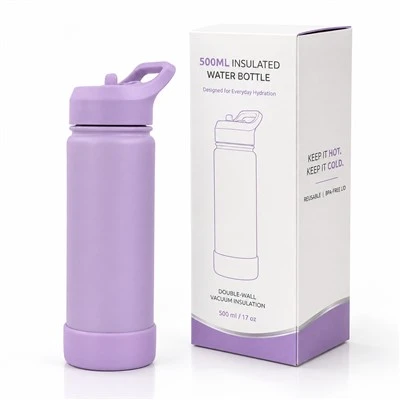
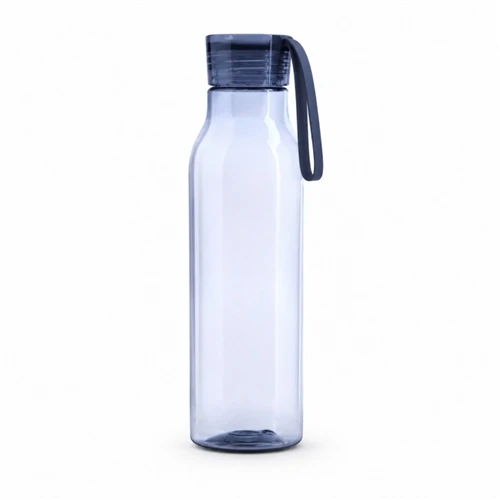
Stainless steel tumblers are widely used for coffee, water, cold beverages, and everyday hydration. For brands, wholesalers, retailers, and promotional product distributors, understanding how these products are manufactured helps when evaluating suppliers, comparing product specifications, and developing private-label drinkware collections.
A stainless steel tumbler is not simply a metal cup with a lid. Its manufacturing process involves material selection, metal forming, component assembly, surface treatment, decoration, quality inspection, and packaging. For vacuum-insulated models, additional welding and vacuum processing steps are required to create the insulation structure.
At MACYS, we provide OEM and ODM drinkware manufacturing services for customers developing customized tumblers and other beverage containers. From material selection and product specifications to logo application, color customization, and branded packaging, our manufacturing service supports different private-label requirements.
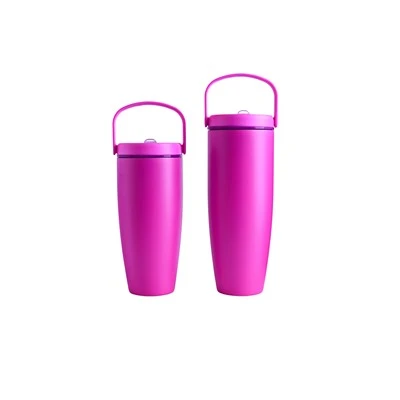
Stainless Steel Materials for Tumbler Production
Material selection is the first important step in stainless steel tumbler manufacturing. The material grade affects corrosion resistance, forming performance, surface appearance, and suitability for beverage contact.
SUS304 stainless steel, commonly referred to as 18/8 stainless steel, is widely used for food-contact drinkware. It contains approximately 18% chromium and 8% nickel, providing corrosion resistance and mechanical properties suitable for many tumbler applications.
SUS316 stainless steel offers higher corrosion resistance in certain environments, particularly where exposure to salts or corrosive substances is a concern. The appropriate grade depends on the intended application, product specifications, and target-market requirements.
For OEM projects, buyers should confirm the material grade of the inner and outer components rather than relying only on a general product description. Material documentation and applicable food-contact testing should also be considered.
Stainless Steel Cutting and Forming
After material inspection, stainless steel sheets or tubes are prepared for forming. The selected manufacturing method depends on the tumbler's dimensions, shape, wall structure, and design requirements.
Two common forming methods are deep drawing and hydroforming.
Deep Drawing: Stainless steel sheets are cut into circular blanks and placed into a forming die. A punch presses the metal into the required shape, creating a hollow cup body. This process can produce a relatively seamless structure with an integrated bottom.
Hydroforming: Stainless steel tubes are placed inside a forming machine. High-pressure fluid expands the metal against the mold, shaping it into the required profile. Depending on the design, a separate bottom component may need to be attached afterward.
The forming method influences tooling requirements, production efficiency, and the final geometry of the tumbler. For custom projects, dimensions, wall thickness, taper, base diameter, and overall capacity should be defined before tooling and mass production.
Inner and Outer Cup Manufacturing
A vacuum-insulated stainless steel tumbler generally consists of an inner liner and an outer shell. These two components are manufactured separately before assembly.
The inner liner forms the beverage-contact surface. Its internal dimensions, opening diameter, and bottom structure affect usable capacity, cleaning convenience, and compatibility with the lid.
The outer shell determines the external dimensions, appearance, and hand-feel of the tumbler. It can also provide the surface for powder coating, spray painting, and logo decoration.
After forming, both components may undergo trimming, shaping, necking, and thread processing where required by the design. The edges and openings must be dimensionally consistent to support subsequent assembly.
Cleaning removes forming lubricants, metal particles, and surface contaminants. Inspection at this stage helps identify deformation, scratches, dimensional deviations, and other defects before the components move to assembly.
Cup Body Assembly and Welding
For double-wall tumblers, the inner liner is positioned inside the outer shell. Pressing and alignment equipment can be used to bring the components together according to the product structure.
The connection around the tumbler opening and the bottom assembly must be processed according to the selected design. Welding is particularly important for vacuum-insulated products because the joint structure must maintain the sealed space between the two walls.
Poor welding can lead to leakage, structural weakness, or loss of vacuum performance. Manufacturers therefore need to control component alignment, welding consistency, and the condition of the finished joints.
After welding, the tumbler body should be checked for visible defects, uneven joints, deformation, and other abnormalities that could affect the next production stages.
Vacuum Insulation Processing
Vacuum processing is a key step in manufacturing double-wall vacuum-insulated stainless steel tumblers.
The space between the inner liner and outer shell is evacuated using dedicated vacuum equipment. Removing most of the air reduces heat transfer through conduction and convection, helping the tumbler maintain beverage temperature for longer periods.
However, vacuum insulation performance depends on more than the vacuum process itself. Welding quality, structural integrity, material condition, and process consistency also influence the final result.
For buyers developing insulated tumblers, it is important to define the required hot and cold retention performance and request testing under specified conditions. A supplier should be able to explain its testing method rather than relying on general statements such as "long-lasting insulation."
Non-vacuum stainless steel tumblers follow a different production route and do not require this vacuum-processing stage.
Surface Polishing and Cleaning
After structural processing, the stainless steel surface is prepared for finishing.
Mechanical polishing uses abrasive tools to reduce visible marks and improve surface smoothness. It is commonly applied to the outer shell, particularly when the design requires a polished or brushed metallic appearance.
Electrolytic polishing uses an electrochemical process to remove microscopic surface irregularities. It can improve the smoothness and brightness of stainless steel surfaces when the process is appropriate for the component.
The required finish depends on the product specification. Buyers may request polished, brushed, or other defined surface treatments. Before coating or printing, the tumbler must also be cleaned and dried to remove dust, oil, and processing residues.
Exterior Coating and Color Customization
Exterior finishing gives stainless steel tumblers their final appearance and helps establish a consistent product style for private-label collections.
Common finishing options include:
Powder Coating: Applies a dry coating that is cured to form a finished surface. It is suitable for a range of matte and textured appearances.
Spray Painting: Applies liquid coating to create different colors and gloss levels.
Metallic Finishes: Can be considered for products requiring a metallic visual effect, subject to the selected finishing process.
Custom Color Matching: Allows brands to specify colors according to approved color references or physical samples.
For OEM production, the coating specification should include color, gloss level, texture, coverage area, and relevant adhesion or durability requirements. Multi-component designs may also require separate color definitions for the tumbler body, lid, handle, and other accessories.
Logo Printing and Decoration
Logo decoration is an important part of private-label stainless steel tumbler manufacturing. The selected method should match the artwork, surface material, design complexity, and expected usage conditions.
Common options include:
Screen Printing: Suitable for relatively simple logos and designs with defined colors.
Heat Transfer Printing: Can be used for detailed graphics and selected multi-color designs, depending on surface compatibility.
Water Transfer Printing: Suitable for certain decorative patterns and more complex visual effects.
Laser Engraving: Uses a laser to mark the metal surface, creating a permanent-looking logo or text effect.
At MACYS, logo and appearance customization can be incorporated into OEM and ODM tumbler projects. Buyers should provide vector artwork where possible and confirm logo dimensions, placement, color references, and decoration requirements before sample approval.
Quality Inspection and Performance Testing
Quality inspection should take place at different stages rather than being limited to the final packaging process.
For stainless steel tumblers, relevant inspection items may include:
Material grade and component specifications
Inner and outer body dimensions
Opening and lid fitting
Surface scratches, dents, and coating defects
Logo position, color, and printing appearance
Lid fitting and leakage performance
Vacuum insulation and temperature retention, where applicable
Vacuum-insulated models require specific insulation testing. The testing procedure should define the beverage temperature, filling volume, ambient conditions, measurement points, and test duration. This makes performance results more meaningful when comparing different suppliers.
For bulk orders, buyers should also agree on sample approval standards, inspection criteria, and acceptable defect limits before production begins.
10. Lid Manufacturing and Final Assembly
The lid is another important component of a stainless steel tumbler. Its structure affects drinking convenience, leakage control, and compatibility with the cup body.
Depending on the design, lids may use food-contact plastic materials such as PP or Tritan, stainless steel components, or a combination of different materials. Some designs include sliding covers, straw openings, sealing rings, or other functional accessories.
The lid and tumbler opening must be designed to fit each other. Dimensional consistency, sealing-ring positioning, and assembly quality all influence the finished product's performance.
Before final assembly, manufacturers should check that the lid fits correctly and that relevant accessories are installed according to the approved sample.
Customized Packaging and Bulk Production
After inspection and final assembly, each tumbler is prepared for shipment. Packaging options may include individual protective bags, standard boxes, color boxes, gift boxes, and customized branded packaging.
For private-label orders, packaging artwork should be confirmed before mass production. Buyers should check product descriptions, logos, barcodes, warning information, and other required details according to the destination market.
A documented production specification helps keep bulk orders consistent with the approved sample. It should include material grades, dimensions, colors, surface finishes, logo positions, lid structures, and packaging requirements.
How MACYS Supports Custom Stainless Steel Tumbler Manufacturing
MACYS provides OEM and ODM drinkware manufacturing services for brands, wholesalers, retailers, distributors, and promotional product buyers.
Our manufacturing capabilities include 12 production lines and an overall production capacity of approximately 50,000 units per day across our product range. Actual output and lead times depend on the product structure, order quantity, customization requirements, and production schedule.
For stainless steel tumbler projects, customers can discuss the following specifications with our team:
Product Structure: Tumbler capacity, height, diameter, body shape, and lid configuration.
Material Selection: Stainless steel grade and the materials used for lids and accessories.
Surface Appearance: Custom colors, gradient effects, and selected surface finishes.
Logo Customization: Logo artwork, printing method, size, and placement.
Accessories: Handles, straws, and other design-specific components.
Packaging: Individual boxes, custom color boxes, and branded packaging.
Customers can develop products based on existing models, reference samples, technical drawings, or new design concepts. Our team can review the proposed specifications and evaluate the appropriate manufacturing and customization route before sample confirmation.
Whether you are developing a new tumbler collection or sourcing customized drinkware for an established brand, clear product specifications and sample approval help reduce production discrepancies and support more consistent bulk orders.