Understanding OEM and ODM in Drinkware Manufacturing
When developing a branded drinkware collection, businesses need to decide how much product design and development should be handled internally and how much should be supported by the manufacturing partner. This decision determines the cooperation model, production preparation and level of customization.
Two common approaches are OEM (Original Equipment Manufacturing) and ODM (Original Design Manufacturing).
Although both models allow businesses to sell products under their own brands, they involve different responsibilities during product development.
Under an OEM arrangement, the buyer provides product specifications, technical drawings, reference samples or a defined design concept. The manufacturer translates these requirements into a production process, including component preparation, manufacturing, assembly and quality inspection.
Under an ODM arrangement, the manufacturer provides existing product designs or developed product structures. The buyer selects suitable models and requests adjustments to branding, colors, finishes, accessories or packaging.
For example, a retailer planning to launch a stainless steel tumbler with a specially designed handle and lid structure may require OEM development. A wholesaler selecting an existing tumbler model and adding a private label logo may find ODM more practical.
The right manufacturing model depends on product requirements, development resources, order planning and the level of differentiation required by the brand. Understanding these factors before requesting a quotation helps both parties define a realistic production scope.
OEM Manufacturing: Developing Drinkware Around Your Specifications
OEM manufacturing is based on buyer-defined product requirements. Rather than simply selecting an existing product from a manufacturer's catalog, the buyer provides the specifications that determine how the finished drinkware should be constructed.
For a custom water bottle or tumbler, these specifications may cover the following components.
Bottle Body Design
The body determines the product's dimensions, capacity, shape and external appearance.
Buyers may specify:
Bottle height, diameter and capacity
Body curvature and structural geometry
Wall construction and material thickness
Surface treatment and color requirements
Grip areas and ergonomic details
For example, a brand developing a large-capacity gym bottle may require a specific body diameter, measurement scale and handle position to improve carrying convenience.
Lid and Functional Structures
The lid is an important functional component because it affects drinking methods, assembly requirements and sealing performance.
OEM projects may involve customized:
Screw-on or flip-top lids
Straw drinking systems
Drinking openings
Handle and grip structures
Sealing gaskets and component connections
When these parts are developed specifically for a project, the manufacturer needs to assess their dimensions, material compatibility, assembly tolerances and functional requirements.
Mold and Prototype Development
If the requested product requires a new molded component or a substantially different body structure, tooling development may be necessary.
The process generally involves reviewing the design, preparing tooling specifications, developing prototypes and checking whether the components can be manufactured consistently.
OEM manufacturing gives buyers greater control over product geometry and functional details, but it also requires more preparation before mass production.
This model is particularly relevant to established drinkware brands, retailers developing exclusive product lines and businesses with clearly defined technical requirements.
ODM Manufacturing: Customizing Existing Product Designs
ODM manufacturing uses product structures or designs that the manufacturer has already developed. Instead of starting with a completely new product, buyers select a suitable model and define the modifications needed for their brand.
This approach can reduce the amount of engineering work required before production.
Product Selection
The first step is to identify a product that matches the intended application.
For example:
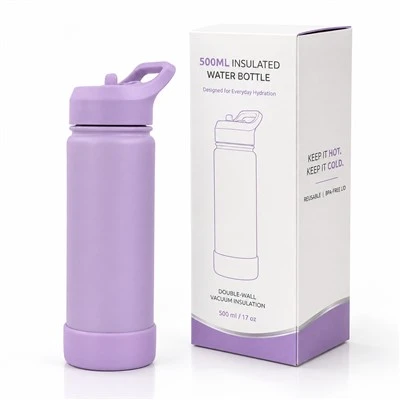
A retailer may select an existing stainless steel tumbler for its lifestyle collection.
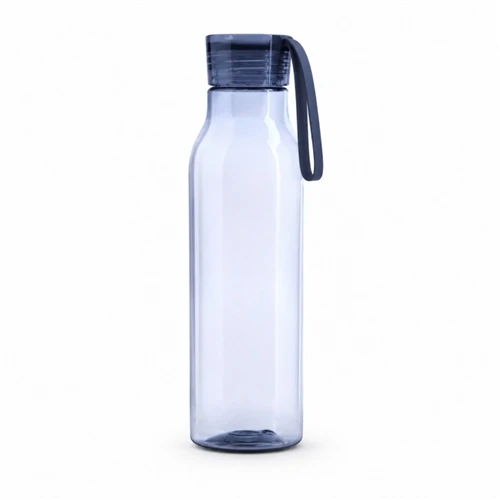
A fitness distributor may choose a Tritan bottle with a straw lid.
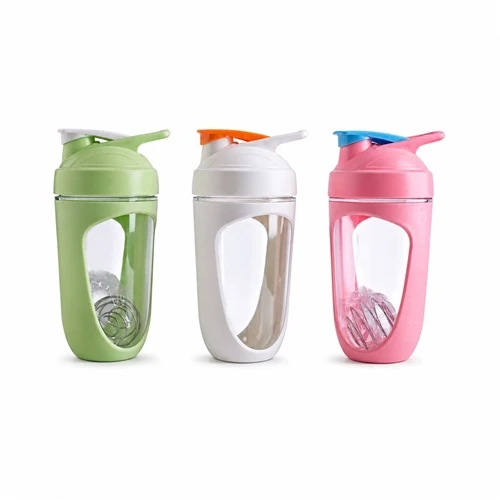
A sports brand may select a shaker bottle with measurement markings.
A promotional products supplier may choose a water jug with a carrying handle.
Appearance Customization
After choosing a model, the buyer can discuss modifications that do not require completely redesigning the product structure.
Common options include:
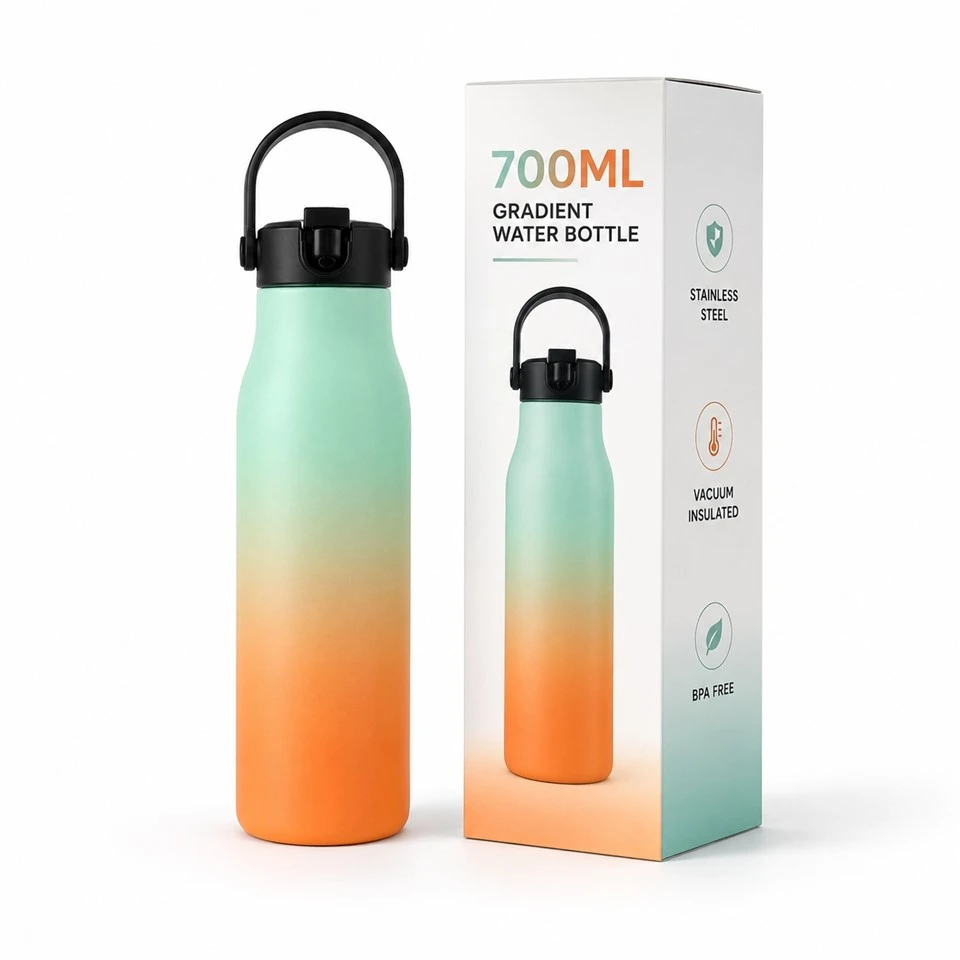
Custom body colors and gradient effects
Brand logo printing
Surface finish selection
Accessory combinations
Customized retail packaging
The manufacturer evaluates whether the requested changes are compatible with the selected model and production process.
Product Development Efficiency
Because the basic structure is already available, ODM projects can avoid some of the preliminary design and tooling activities associated with a new OEM product.
However, existing product availability does not automatically guarantee a short delivery schedule. Material availability, printing preparation, sample approval and order quantity still influence the production timeline.
For businesses that need to validate product demand or build a drinkware collection without developing every component from scratch, ODM provides a practical starting point for private label manufacturing.
OEM vs. ODM: Key Manufacturing Differences
The distinction between OEM and ODM becomes clearer when the two models are compared across the actual manufacturing requirements.
|
Evaluation Factor |
OEM Manufacturing |
ODM Manufacturing |
|---|---|---|
|
Product Design |
Buyer-defined specifications |
Manufacturer-developed designs |
|
Product Structure |
Can be newly developed |
Based mainly on existing structures |
|
Mold Requirements |
May require new tooling |
Usually uses existing tooling |
|
Customization Scope |
Extensive |
Based on available models |
|
Engineering Input |
More project-specific |
More focused on adjustments |
|
Initial Development Work |
Generally higher |
Generally lower |
|
Product Exclusivity |
Can be negotiated and developed |
Depends on model and agreement |
|
Sampling |
May require prototype development |
Often based on existing models |
|
Production Preparation |
More development steps |
Usually fewer structural steps |
|
Suitable Applications |
Specialized product projects |
Standardized branded collections |
There is no fixed rule that OEM always requires a high MOQ or that ODM always supports small quantities. Actual minimum order requirements depend on the factory's production arrangements, component sourcing, printing methods, tooling and order specifications.
The same principle applies to product exclusivity. An OEM label does not automatically give the buyer ownership of every design element or mold. These arrangements need to be defined contractually.
The most important difference is the starting point of product development: OEM begins with buyer-defined product requirements, while ODM begins with manufacturer-developed product solutions.
How Product Development Decisions Affect Manufacturing Costs
When comparing OEM and ODM quotations, buyers should look beyond the unit price. The total project cost includes product development, materials, tooling, branding, production preparation, inspection and packaging.
Different customization decisions create different cost structures.
Tooling and Mold Investment
A new bottle body, specially shaped handle or customized plastic lid may require dedicated tooling. The cost depends on mold dimensions, material, cavity design, manufacturing complexity and expected production volume.
By comparison, selecting an existing product structure can avoid some new tooling expenses.
Material and Component Selection
Material selection also affects the quotation.
For example, stainless steel tumblers, Tritan bottles and PP drinkware involve different raw materials and processing requirements. Even within one product category, wall construction, component thickness and accessory specifications can change the manufacturing cost.
Branding and Surface Finishing
Logo printing and surface treatments should be included in the original quotation.
Silk screen printing, heat transfer printing and laser engraving involve different preparation requirements. The final method depends on the product material, surface geometry, artwork and required appearance.
Packaging Development
Standard packaging and custom-designed retail boxes have different cost structures. Special printing, inserts, structural designs and packaging materials should be evaluated according to the distribution channel.
For an accurate quotation, buyers should provide a complete product specification rather than comparing prices based on capacity alone.
Mold Development, Product Design and Intellectual Property
Product design and tooling ownership are important considerations in customized drinkware projects, particularly when buyers intend to develop products that differ from standard market models.
A mold is not simply a production accessory. Its design determines the dimensions and geometry of the components it produces. Changes to the mold may influence component compatibility, assembly and manufacturing consistency.
Before beginning an OEM project, buyers should clarify several issues.
Mold Ownership: Determine who pays for the tooling and who owns it after development. The agreement should specify whether the mold can be transferred, stored or used for other projects.
Design Ownership: Confirm ownership of buyer-supplied drawings, original product concepts and newly developed designs.
Product Exclusivity: If a product is intended to be exclusive to one brand, define the exclusivity scope, sales territory, product components and agreement duration.
Confidentiality: Drawings, samples, technical specifications and commercial information should be protected through appropriate confidentiality arrangements.
Patent and Trademark Responsibilities: Buyers should confirm that their designs and branding do not infringe third-party intellectual property rights. The respective responsibilities of the buyer and manufacturer should be documented.
For ODM products, buyers should also understand which elements are standard manufacturer designs and which modifications are created specifically for their project.
Clear written agreements reduce misunderstandings about tooling, design use and product commercialization before manufacturing begins.
Choosing the Right Model for Different Drinkware Businesses
OEM and ODM are not simply two manufacturing price options. They address different business requirements.
The following examples illustrate how different buyers can evaluate the available models.
Retail Brands Developing Exclusive Collections
Retail brands often need products that match an established visual identity and product positioning.
If the brand has specific requirements for bottle dimensions, handle geometry, lid construction or product appearance, OEM manufacturing may be more appropriate.
For example, a retailer developing a coordinated collection of stainless steel tumblers and coffee mugs may need consistent colors, surface finishes and branded packaging across multiple product models.
Startups Entering the Drinkware Market
New brands may not have finalized their product specifications or established sufficient sales data.
In this situation, ODM can provide access to existing product structures without requiring every component to be developed from the beginning.
A startup could initially select a Tritan water bottle, customize the logo and packaging, and evaluate customer demand before investing in more specialized product development.
Fitness and Sports Product Distributors
Fitness distributors often need several product types for different users and sales channels.
A product collection might include:
Shaker bottles for protein drinks
Large-capacity water jugs for gym use
Tritan bottles for daily hydration
Stainless steel tumblers for general retail
ODM can help establish the initial product range, while OEM development can be considered when specific functional or structural requirements emerge.
Promotional Product Buyers
Promotional product distributors often prioritize branding, order coordination and delivery schedules.
When an existing product meets the functional requirements, ODM is usually a practical option. Buyers can focus on logo placement, color selection, packaging and order quantities rather than developing a new bottle structure.
Businesses with Specialized Product Concepts
If a project requires a new drinking mechanism, an unusual bottle shape or a specially designed component, OEM is more suitable because the product requirements need to guide the development process.
The manufacturer should assess technical feasibility before confirming tooling investment and production arrangements.
Can You Combine OEM and ODM in One Product Collection?
Yes. OEM and ODM can be used together within the same brand development strategy.
A business does not necessarily need to apply one manufacturing model to every product it sells. Different drinkware categories may have different development requirements.
For example, a brand launching a new collection could use:
|
Product |
Manufacturing Approach |
Main Requirements |
|---|---|---|
|
Stainless Steel Tumbler |
ODM |
Existing model, custom color and logo |
|
Tritan Water Bottle |
ODM |
Selected capacity, straw lid and packaging |
|
Shaker Bottle |
ODM |
Branding and measurement scale |
|
Special-Structure Water Jug |
OEM |
Customized handle and body design |
|
Coffee Mug |
ODM or OEM |
Depends on the required shape and structure |
This approach allows businesses to use existing product resources where appropriate while reserving new product development for items that require greater differentiation.
Another practical strategy is to introduce products in stages:
Product selection: Identify suitable existing models for the initial collection.
Brand customization: Establish consistent colors, logo placement and packaging.
Market evaluation: Collect sales and customer feedback.
Specification improvement: Identify product components that require modification.
OEM development: Develop more specialized products based on confirmed market requirements.
This is not a mandatory progression. Some businesses begin with OEM because they already have complete product designs, while others continue using ODM for standardized products.
The objective is to allocate development resources according to actual product requirements.
What Should You Evaluate When Selecting an OEM/ODM Manufacturer?
The manufacturing partner should be evaluated according to its ability to translate product requirements into repeatable production specifications.
A supplier's product catalog alone cannot demonstrate whether it can handle a customized project. Buyers should examine the following areas.
Product Category Coverage
Check whether the manufacturer has experience with the specific drinkware materials and product types required for your project.
For example, manufacturing Tritan bottles involves different processes from producing stainless steel tumblers. A supplier offering multiple categories may also help coordinate a broader product collection.
Customization and Development Resources
Ask whether the manufacturer can work with:
Technical drawings and product specifications
Physical samples and reference products
Customized colors and surface finishes
Logo artwork and printing requirements
Lid structures and functional accessories
Packaging designs and retail requirements
For projects involving new structures, clarify the manufacturer's tooling and prototype development arrangements.
Production Capacity and Order Management
Production capacity should be evaluated in relation to the actual order.
Ask how the factory organizes different SKUs, material preparation, production scheduling, assembly and packaging. If multiple products are ordered together, confirm whether the production schedule can accommodate the required quantities and delivery arrangements.
Quality Control Procedures
A professional manufacturer should be able to explain how product quality is checked at different production stages.
Relevant procedures may include raw material verification, component dimension checks, printing inspection, assembly inspection, leak testing and finished-product sampling.
The inspection criteria should be connected to measurable product specifications rather than general descriptions such as good quality.
Quotation Transparency
Request a quotation that identifies the main cost components, including product price, customization charges, tooling fees, sample costs and packaging expenses where applicable.
This allows buyers to understand what is included in the proposed manufacturing solution and compare different suppliers on a consistent basis.
How MACYS Supports Customized Drinkware Manufacturing
The Automatic Manufacturing of Stainless Steel Water Bottles | KingStar
At MACYS, OEM/ODM drinkware manufacturing is organized around the product requirements of brands, wholesalers, retailers, distributors and promotional product buyers.
Hangzhou MACYS Houseware Co., Ltd. was established in 2013 and provides customized drinkware manufacturing across several product categories.
Rather than limiting customization to logo printing, MACYS supports buyers in coordinating product selection, material specifications, appearance, functional components and packaging.
Multi-Category Drinkware Manufacturing
MACYS offers several product categories for private label and customized manufacturing projects:
Water Bottles: Tritan and other plastic water bottle designs for everyday hydration and sports applications.
Stainless Steel Tumblers: Different capacities, body designs, handles, lids and surface finishes.
Coffee Mugs: Customized drinkware for retail, office and promotional applications.
Shaker Bottles: Fitness drinkware with mixing components and measurement markings.
Water Jugs: Large-capacity products with handles, straps and functional accessories.
Food Containers: Customized food storage products.
Fruit Infuser Bottles: Drinkware designed for flavored water applications.
This product coverage allows buyers to discuss different drinkware requirements with one manufacturing partner.
Material and Component Customization
MACYS works with materials including 304 stainless steel, PP, AS and Tritan, depending on the selected product model.
For customized projects, material selection should be connected to the intended product function and component requirements.
For example, a Tritan water bottle project may require confirmation of body capacity, transparency, straw configuration and lid structure. A stainless steel tumbler project may involve body dimensions, surface finishing, handle design and compatible lid components.
OEM/ODM Product Development
MACYS supports different levels of product customization according to the buyer's development requirements.
ODM Manufacturing
Existing product development
Select suitable products from existing models.
Customize colors and surface finishes.
Apply logos through suitable printing methods.
Adjust accessory combinations.
Develop branded packaging.
OEM Manufacturing
Buyer-defined specifications
Evaluate drawings, samples and product concepts.
Confirm dimensions and component requirements.
Assess structural modifications and tooling needs.
Coordinate product sampling and specification approval.
Organize production according to confirmed requirements.
The actual scope of OEM or ODM services depends on the product model and project complexity. New molds, exclusive structures and specialized components should be assessed separately before development begins.
Branding and Packaging Customization
Brand identity needs to remain consistent across the finished product and its packaging.
MACYS supports customization options such as:
|
Customization Item |
Available Options |
|---|---|
|
Logo |
Silk screen printing, heat transfer and suitable alternative methods |
|
Color |
Custom solid colors and gradient effects |
|
Surface |
Matte, glossy and other applicable finishes |
|
Accessories |
Handles, straps, straws and selected lid components |
|
Packaging |
Custom boxes, printed artwork and branded packaging |
These options allow buyers to develop products for different retail positions, promotional campaigns and distribution channels.
Production Capacity for Bulk Orders
MACYS operates 12 production lines with a stated daily production capacity of approximately 50,000 units. Its shaker bottle production capacity exceeds 15,000 pieces per day.
The factory's standard MOQ is 1,000 pieces, subject to confirmation based on the product model and customization requirements.
Its manufacturing arrangements support bulk drinkware orders involving different product categories, branding methods and packaging specifications.
Quality and Compliance Support
MACYS has quality and manufacturing-related credentials including ISO 9001, BSCI, SGS, FDA and LFGB-related certifications or testing documentation.
The applicable documentation should be confirmed for each product, material and destination market. Buyers should identify the relevant food-contact, safety and testing requirements during the quotation and sample approval stages.
MACYS focuses on connecting product customization with production execution, helping customers coordinate the specifications, branding and manufacturing requirements of their drinkware projects.